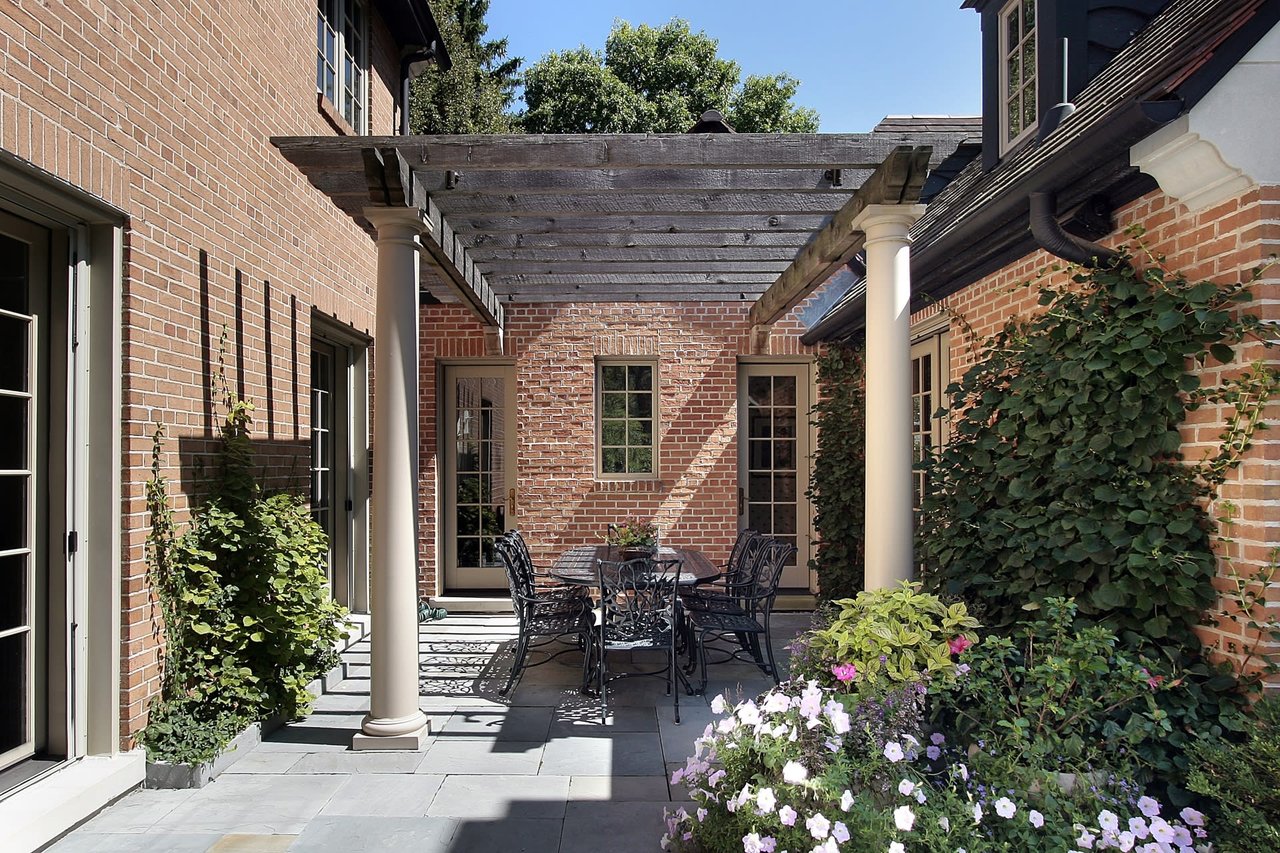
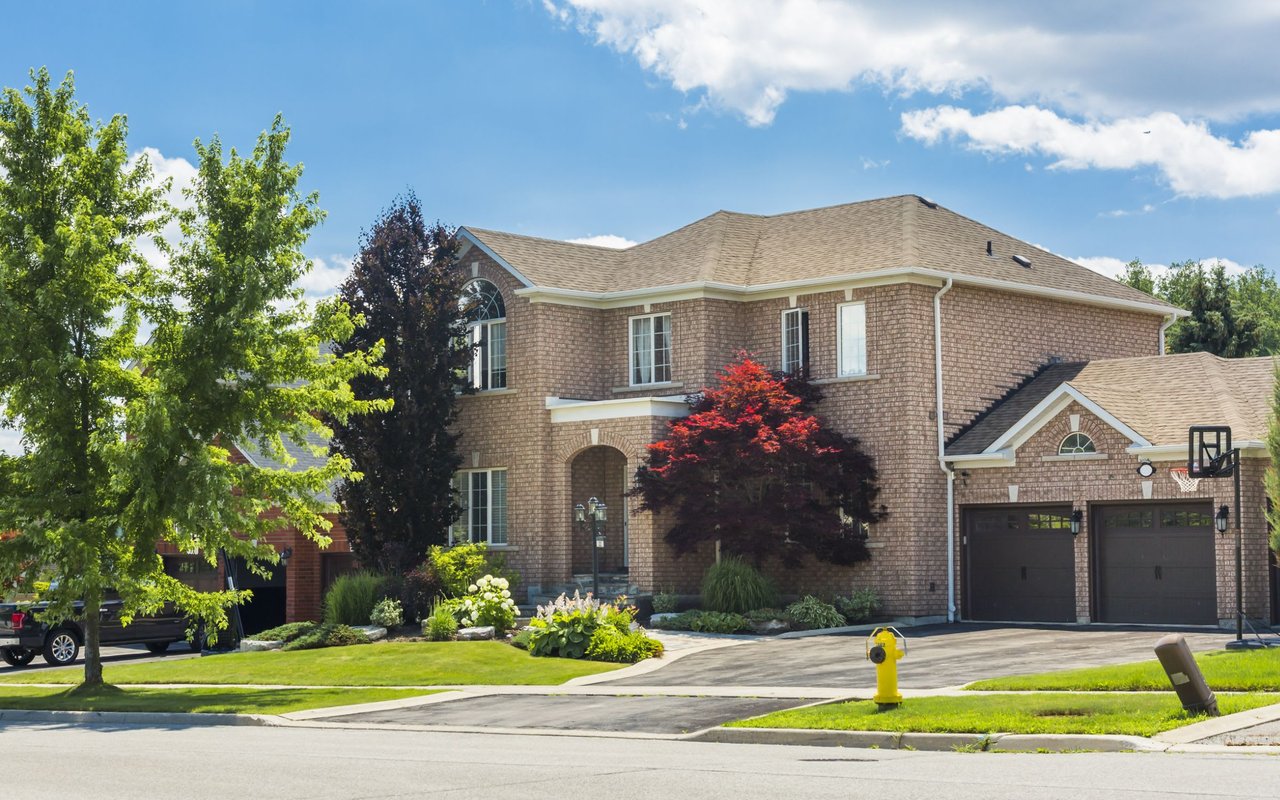
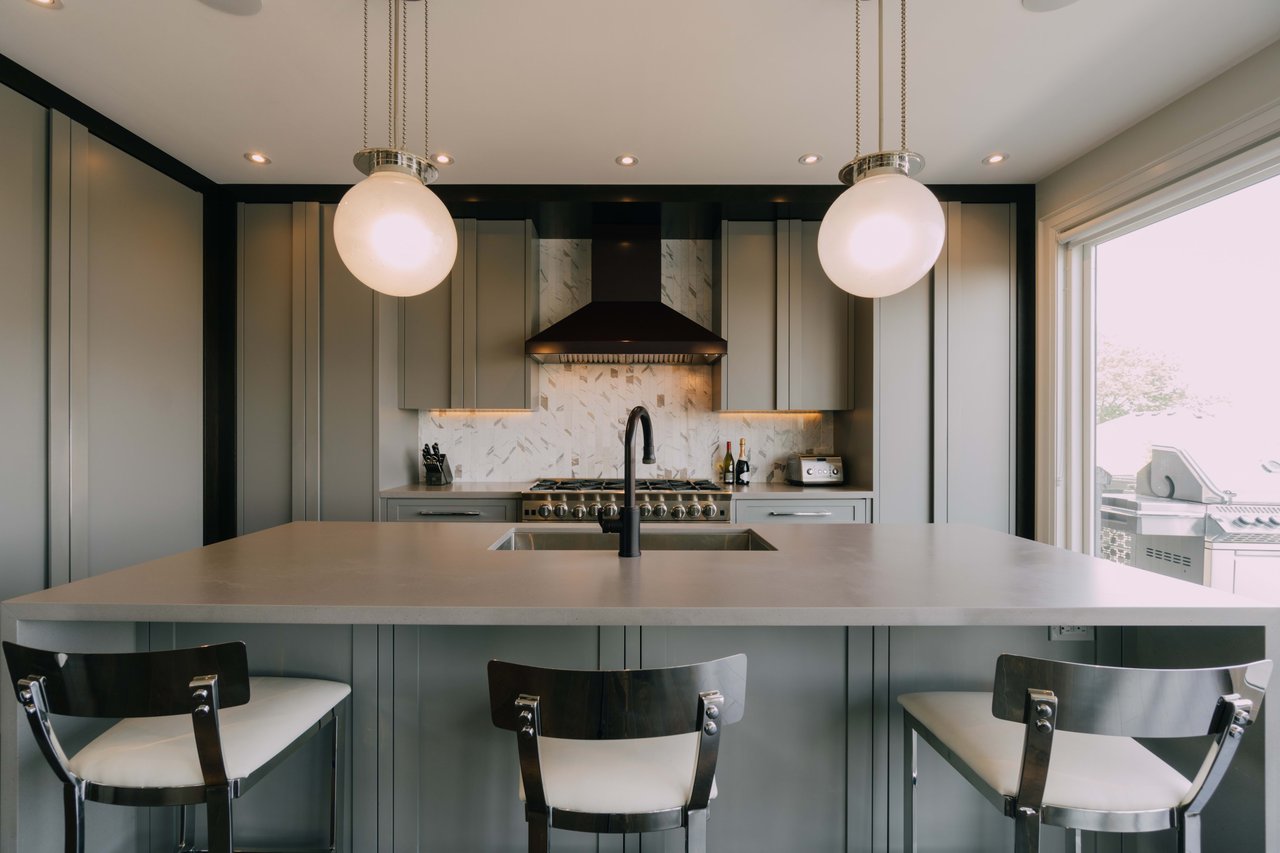
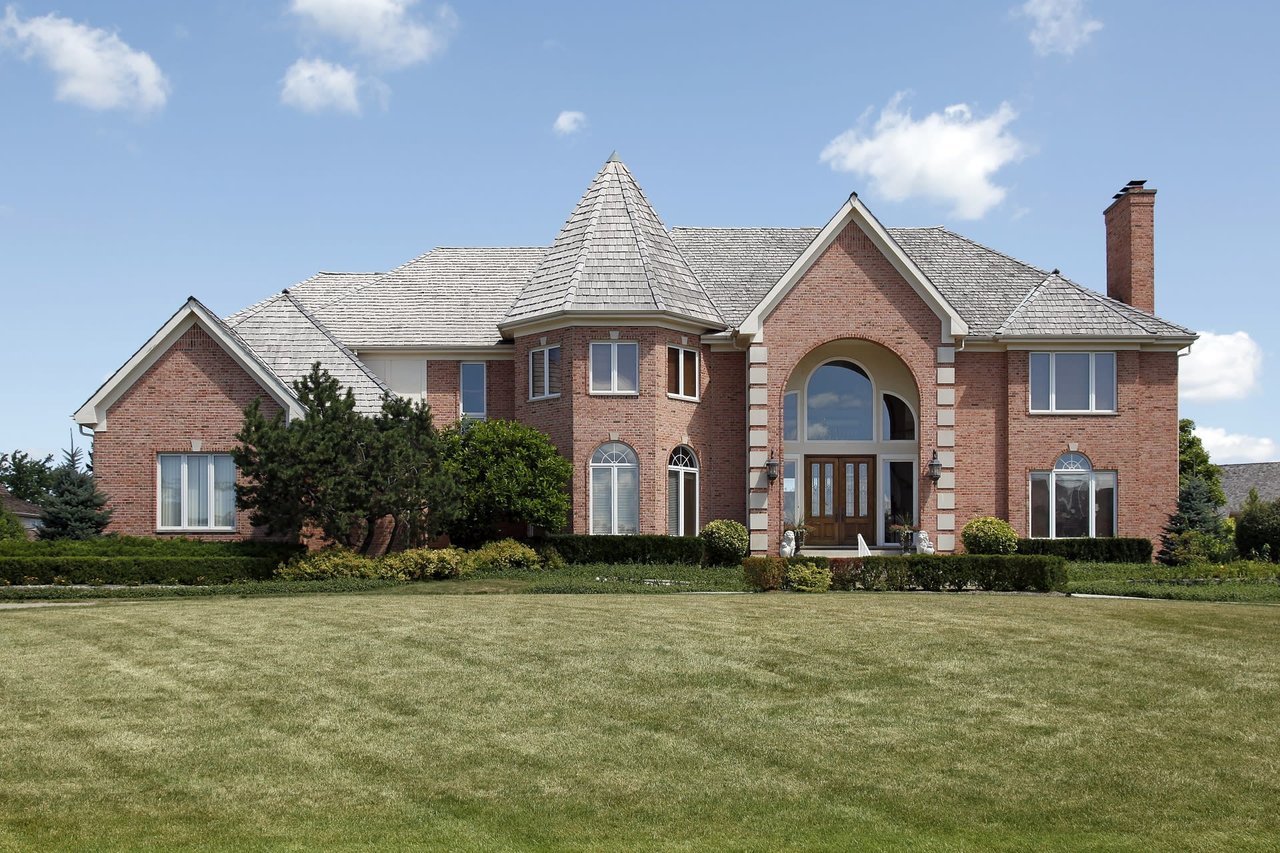
You can tell a lot about life inside a Nichols Hills home before you ever step through the door. From stately brick facades to glassy garden rooms, each style signals how it will live and entertain. If you are shopping in Nichols Hills, understanding these visual cues helps you match a home to your lifestyle and plan smart updates. In this guide, you will learn how to spot the city’s signature styles, how they typically live day to day, what to ask during showings, and where city design review may come into play. Let’s dive in.
Nichols Hills context
Nichols Hills was planned in the late 1920s as an upscale residential enclave with large lots and quality architecture, a vision credited to developer Gilbert A. Nichols and carried into the city’s 1929 incorporation. You can read more about that origin story through the Oklahoma Historical Society’s overview of Nichols Hills. The city also maintains a Building Commission review process that issues Certificates of Approval for demolitions, most new buildings, and many additions or facade changes. These rules promote stylistic compatibility, protect architectural resources, and can affect timelines for major remodels or teardowns.
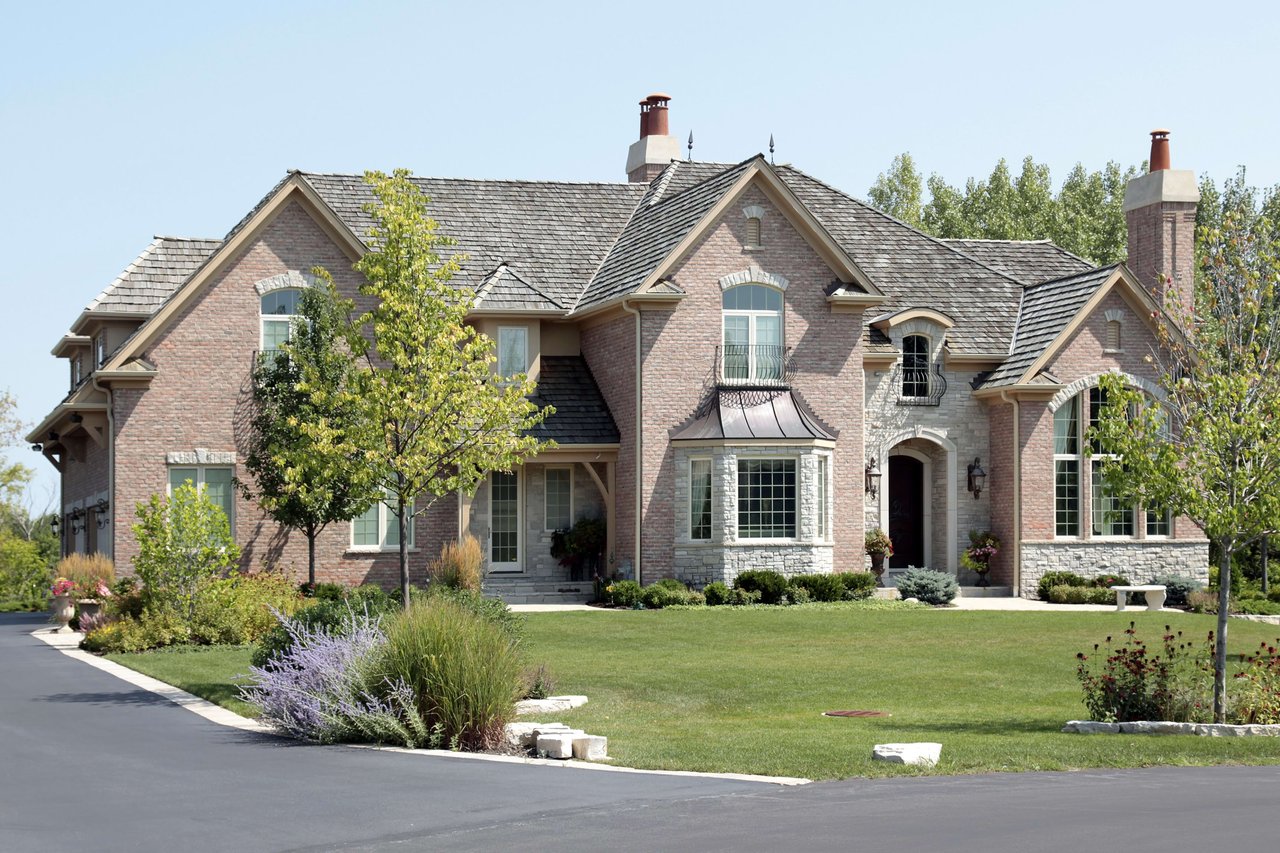
Colonial Revival
How to spot it
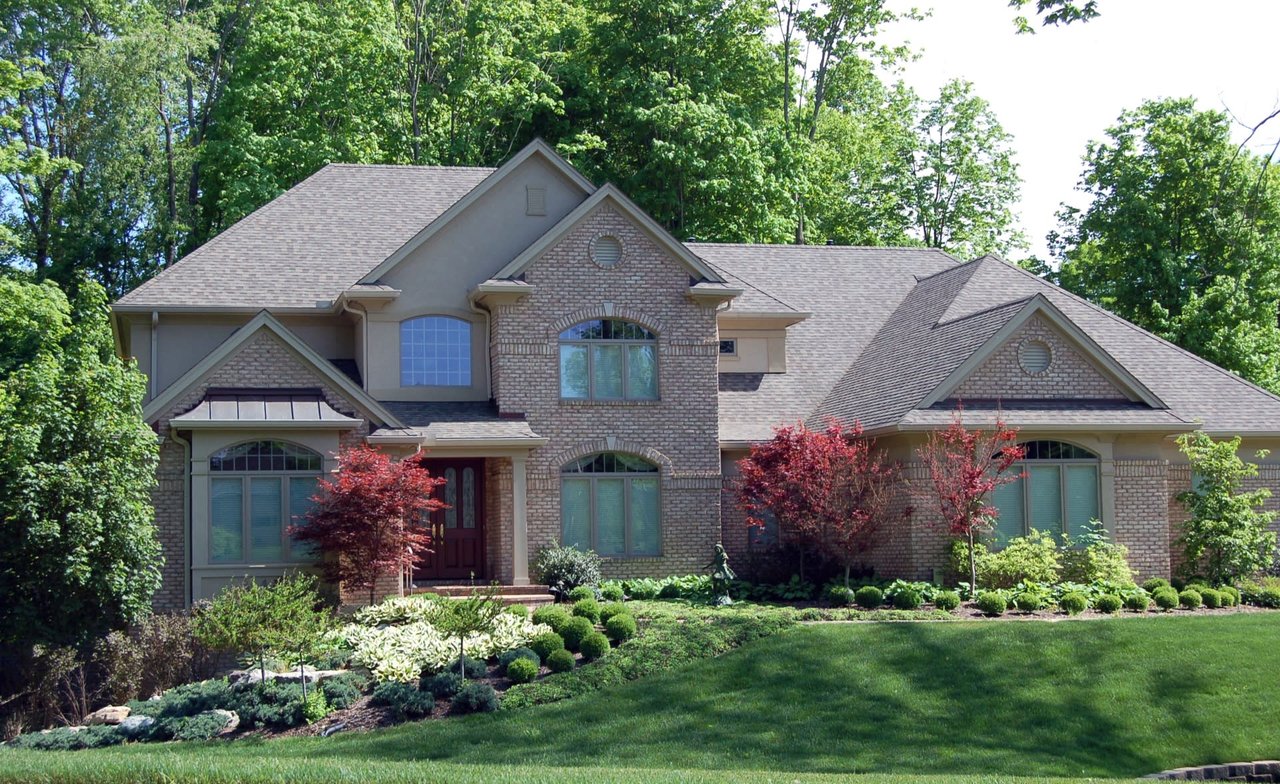
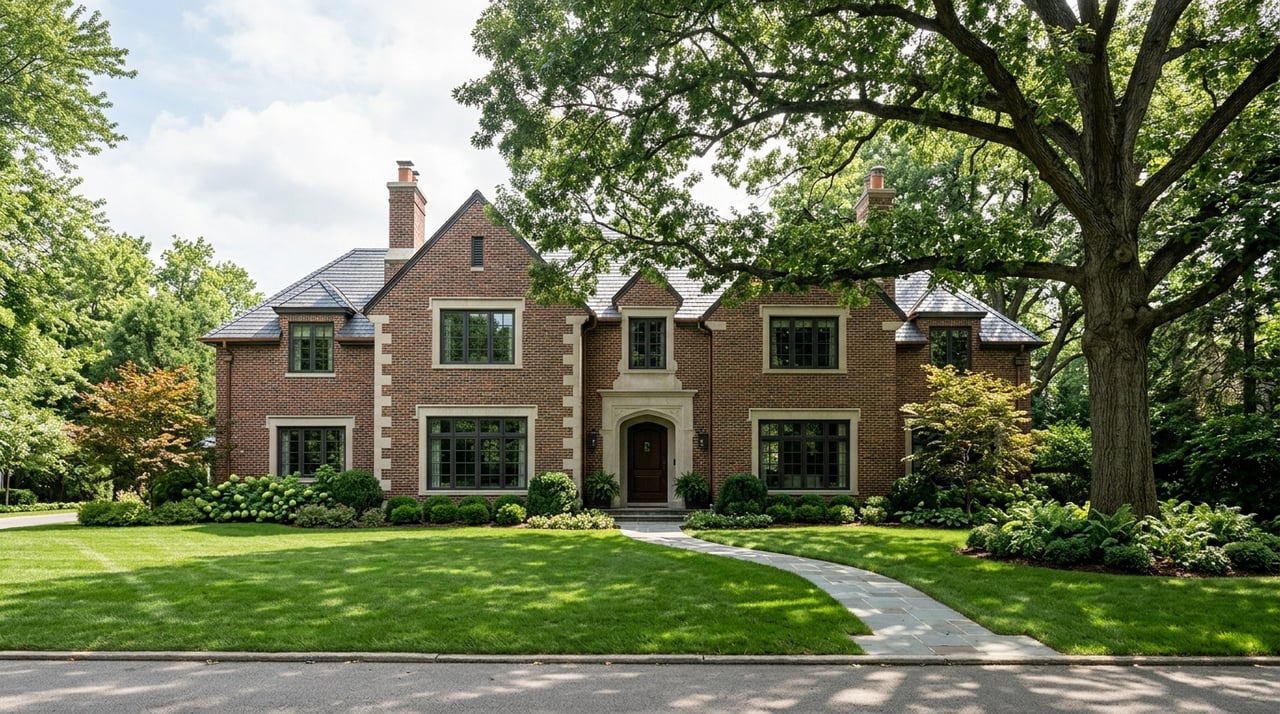
- Symmetrical front facade with a centered entry and decorative pediment or portico.
- Classical columns or pilasters and brick or clapboard exteriors.
- Multi‑pane double‑hung windows, often 6/6 or 12/12, sometimes with dormers on hipped or side‑gabled roofs.
- For a deeper style overview, see the National Park Service’s primer on Colonial Revival architecture.
How it lives
- Floor plans often feature a central hall with formal living and dining rooms, plus a study or library. Bedrooms are usually upstairs.
- Great for formal entertaining and for buyers who like defined rooms and traditional finishes.
- For work‑from‑home, a dedicated study is common. Full single‑level living typically requires adding a main‑level suite.
Renovation and review notes
- Original wood windows, detailed trim, and masonry are character drivers. Repair and careful restoration usually beat full replacement on both aesthetics and long‑term value.
- For large additions or facade changes, expect Building Commission review in Nichols Hills.
Photo shot list
- Full, centered elevation to show symmetry and roofline.
- Detail of the entry surround, pediment, sidelights, and multi‑pane windows.
- Dormers and a formal interior vignette, such as a foyer or dining room.
What to ask the listing agent or inspector
- What is the age and condition of the roof and any dormers?
- Are the windows original wood sash or replacements, and what is their condition?
- Have prior exterior changes or additions received Building Commission approval?
- Any masonry repointing or moisture repairs documented?
Tudor Revival
How to spot it
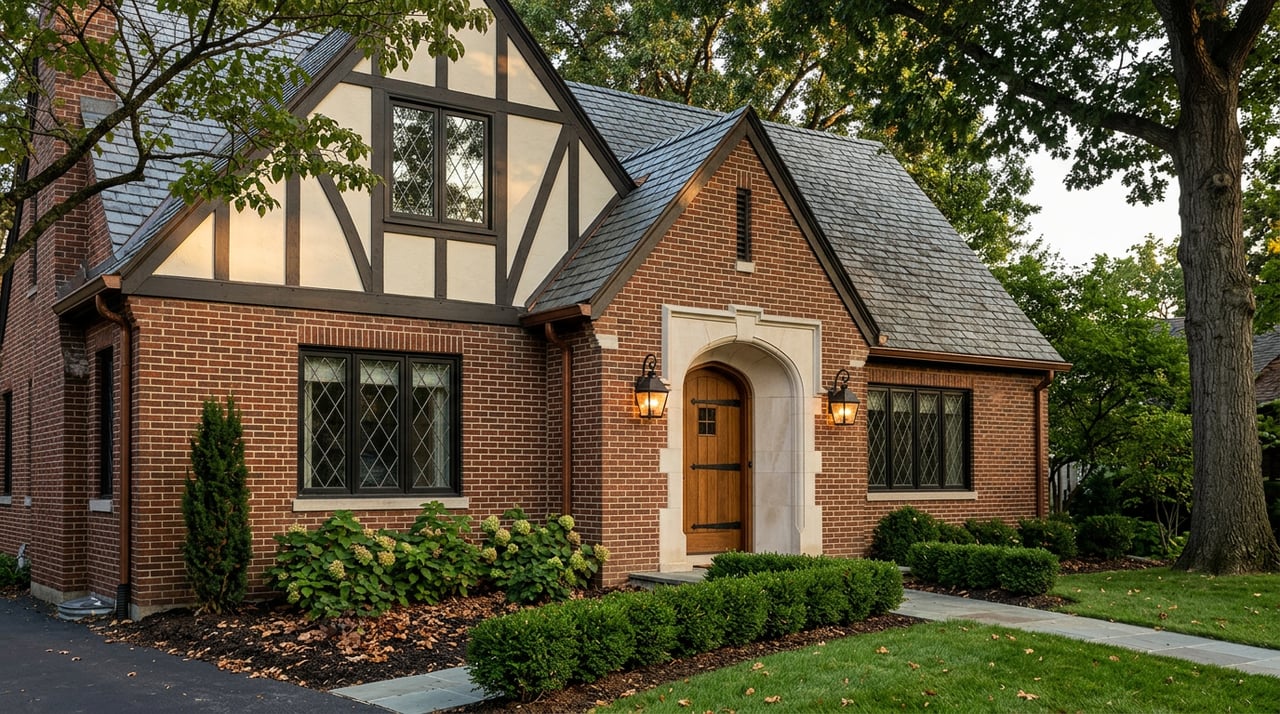
- Steeply pitched cross gables that create a picturesque roofline.
- Decorative half‑timbering or a mix of stucco and brick on gable ends.
- Tall, narrow grouped windows, often with casement or leaded panes, plus prominent chimneys and arched doorways. See the Washington Department of Archaeology and Historic Preservation’s overview of Tudor style features.
How it lives
- Asymmetrical massing creates cozy, compartmentalized rooms and intimate nooks around a central fireplace.
- Ideal for buyers who appreciate character, warm textures, and intimate entertaining.
- Converting to a wide open plan often requires structural work. Bedrooms tend to be upstairs.
Renovation and review notes
- Steep or slate roofs, decorative masonry, and leaded or casement windows involve specialized trades and higher costs.
- Exterior alterations typically require Building Commission review for compatibility.
Photo shot list
- Profile that captures cross gables and chimney.
- Close‑ups of half‑timbering, arched entry, and door hardware.
- Interior fireplace or a reading nook.
What to ask the listing agent or inspector
- Roof type and remaining life, especially if slate or very steep pitches are involved.
- Condition of masonry joints and any past repointing work.
- Window type and condition, including leaded glass or casements.
- Any recorded city approvals for exterior changes or additions?
Mid‑Century Modern
How to spot it
Low or flat roofs with broad eaves and simple geometric massing.
Large glass walls, sliding doors, and exposed post‑and‑beam elements.
Strong indoor‑outdoor connections with patios or garden courtyards. These traits reflect the post‑WWII Modern Movement described by the National Academies’ chapter on modern housing.
Reference: Modern Movement residential traits.
How it lives
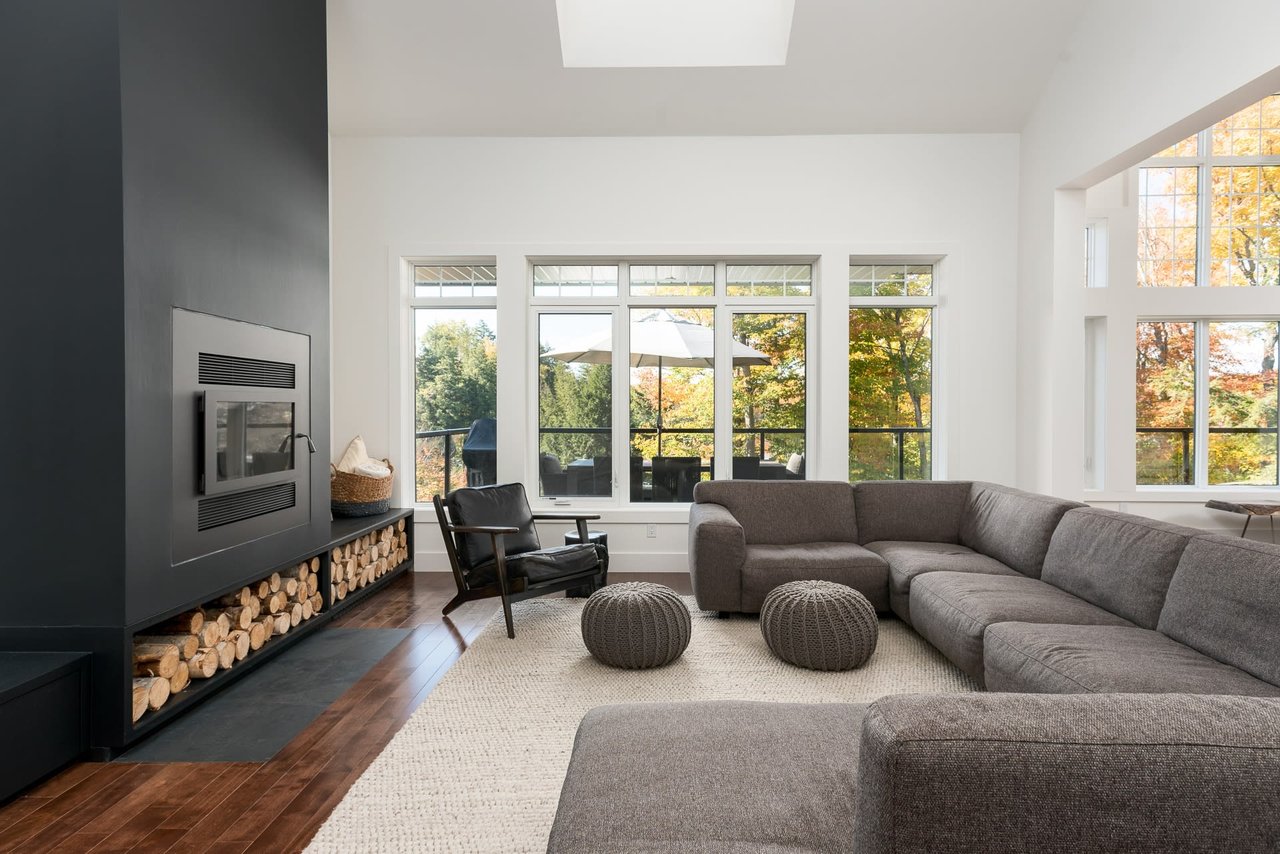
- Open living, dining, and kitchen zones with minimal interior partitions support casual entertaining.
- Generous daylight and views into the landscape help public areas feel expansive.
- For full‑time remote work, consider creating an acoustically separate office nook or wing.
Renovation and review notes
- Original large glazing and low‑slope roofs can raise energy and maintenance questions. Many owners upgrade HVAC, insulation, and weatherstripping while preserving the clean lines.
- Exterior changes and additions may trigger Building Commission review.
Photo shot list
- Glass wall or clerestory windows that show the indoor‑outdoor threshold.
- Exposed beams and an open living area with sightlines to the yard.
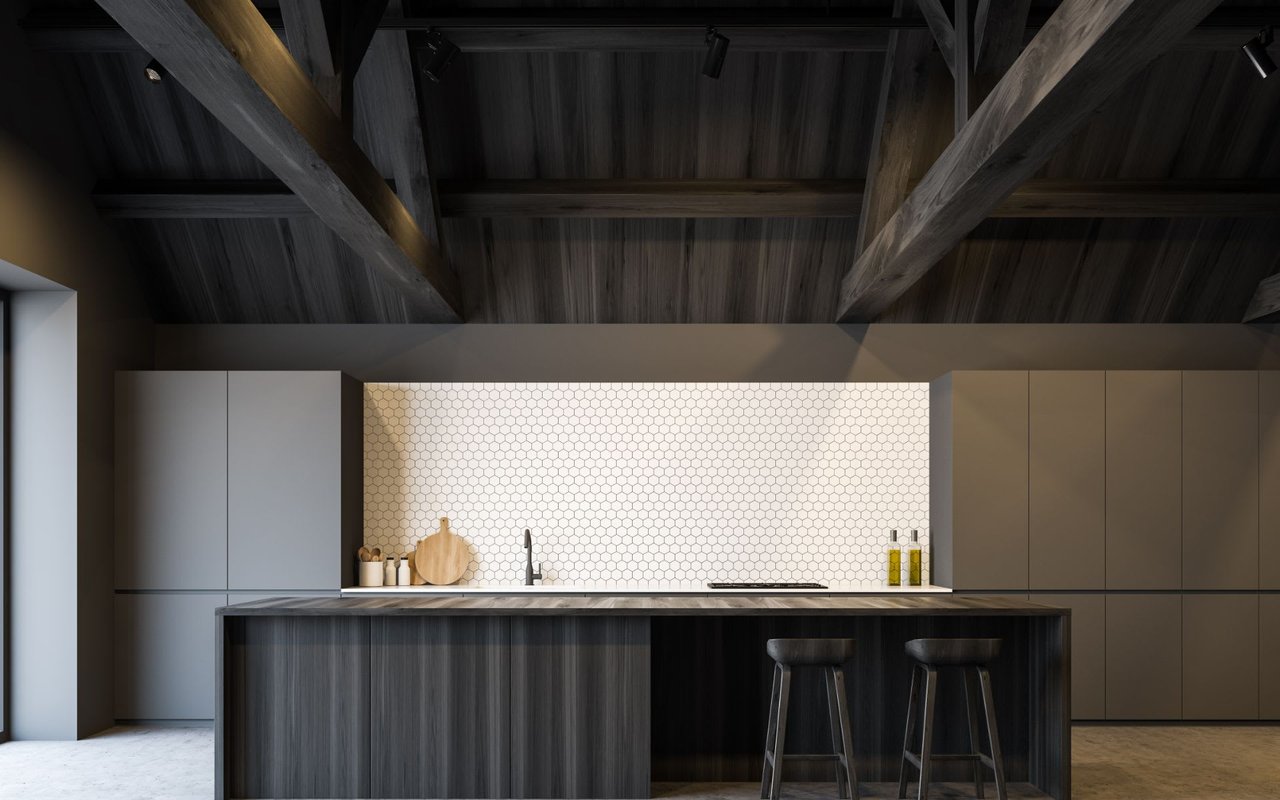
- Kitchen island that flows to patio seating.
What to ask the listing agent or inspector
- Age and type of roof, drainage details, and any ponding history.
- Window and door performance, original versus updated glazing.
- Insulation levels in walls and roof, plus HVAC age and capacity.
- Documentation for any exterior alterations submitted to the city.
Ranch
How to spot it
- Single‑story, long horizontal profile with low‑pitched gable or hip roofs.
- Integrated garage or carport, large picture windows, and sliding doors to the backyard.
- Strong connection to outdoor living typical of postwar suburban growth, as described in the same Modern Movement resources.
How it lives
- True single‑level living makes ranch homes great for aging in place or multigenerational needs.
- Public zones often align along the back with yard access, while bedrooms sit in a separate band.
- Flexible walls and spans usually make it easier to open or reconfigure space.
Renovation and review notes
- Inspect for roof drainage, foundation movement, and the condition of large sliders.
- Ranch layouts often adapt well to attached guest suites or private home offices, subject to city review for larger additions.
Photo shot list
- Full front elevation that shows the low, linear massing.
- Garage and drive approach, plus slider to patio.
- Interior view from kitchen to living that reads as one continuous zone.
What to ask the listing agent or inspector
- Foundation condition and any past leveling or drainage work.
- Age and performance of sliding doors and large windows.
- Prior permits and city approvals for additions or garage conversions.
- Opportunities to add a ground‑floor guest suite or office within current footprint.
New custom or contemporary infill
How to spot it
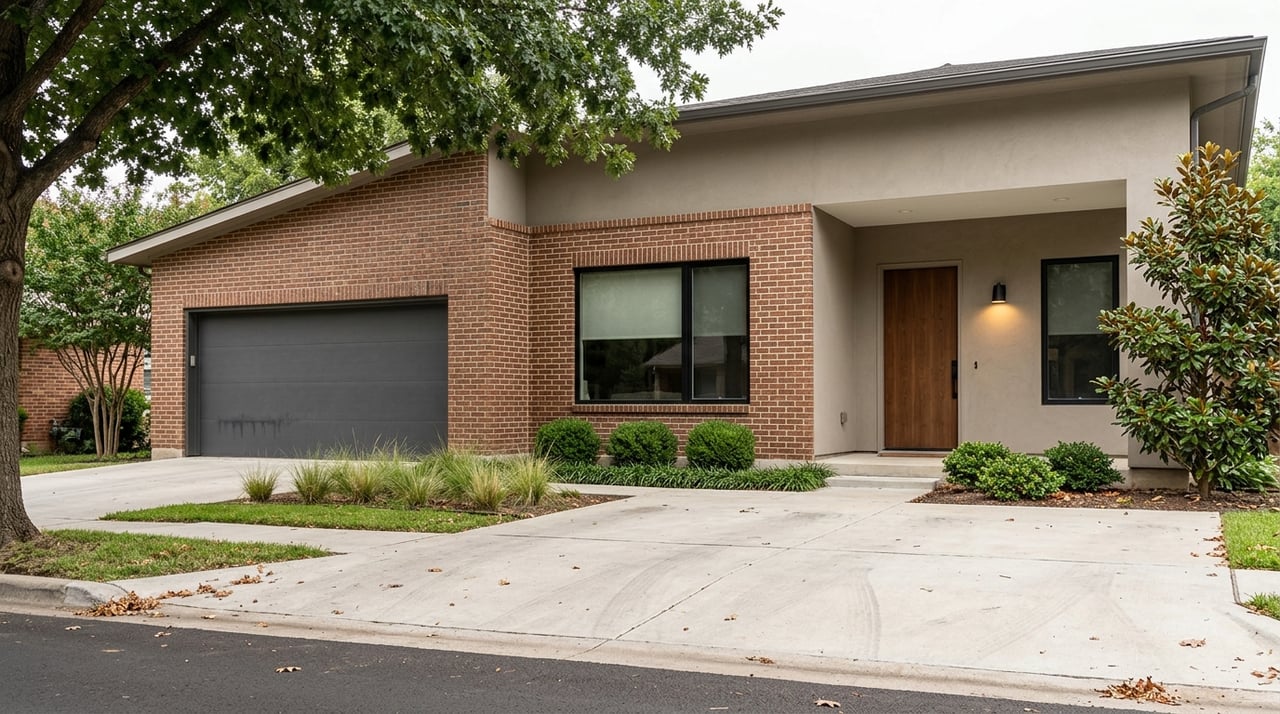
Materials like metal, glass, and stone, with deliberate massing and landscape design.
Larger footprints, second stories, and outdoor rooms or kitchens.
Styles often blend traditional forms with modern details. Nichols Hills reviews these projects for proportionality and compatibility through its Building Commission.
Reference: Nichols Hills Building Commission guidelines.
How it lives
- Plans are highly tailored, with open entertaining zones, dedicated home offices, integrated technology, and multiple suites.
- Many designs include a ground‑floor owner’s suite or guest accommodations that work well for multigenerational living.
- Service entries and separate guest spaces can keep day‑to‑day routines efficient.
Renovation and review notes
- Teardowns and large additions typically require submittals and approvals. In many cases, demolition without an approved replacement plan is restricted.
- Early coordination with the Building Commission helps align massing, materials, and site design with neighborhood context.
Photo shot list
- Material transitions and facade details.
- Roofline and massing from the street, plus indoor‑outdoor entertainment spaces.
- Any custom landscape rooms, pool terraces, or guest casitas.
What to ask the listing agent or inspector
Was the home or recent addition reviewed and approved by the Building Commission?
What landscape and hardscape elements were permitted with the build?
Are there recorded conditions of approval that affect future changes?
Any neighborhood‑specific guidelines the owner must follow?
Photo sourcing shortcuts
You have excellent public resources for a photo‑led tour of Nichols Hills. The Library of Congress HABS and HALS collections include documented local properties, such as the Buttram Estate, that you can use for historic context images with proper credit. The Oklahoma Historical Society maintains photo collections and finding aids that may require permission or purchase of high‑resolution scans for publication. For current interiors and exteriors, always obtain permission before using listing photos.
Pro tip: For a balanced visual story, pair a full “hero” exterior with two detail shots that show windows, entries, or chimneys, then include one interior that illustrates how the plan supports entertaining or work‑from‑home.
Quick picks by lifestyle
- Want open, social spaces with easy updates? Look at ranch and many mid‑century plans first.
- Need single‑level or multigenerational options? Ranch or newer custom builds with a ground‑floor suite are the most straightforward.
- Prefer formal rooms and timeless curb appeal? Colonial Revival often delivers defined living and dining spaces.
- Craving cozy character? Tudor Revival offers intimate rooms and distinctive details.
Preservation and project resources
When you are ready to walk these styles in person, I will help you match the right architecture to the way you live, then navigate inspections, approvals, and negotiations with calm, clear steps. Connect with Lindsay Greene to schedule a consultation and start your Nichols Hills search.
FAQs
Which Nichols Hills styles are easiest to open up for entertaining?
- Ranch and many mid‑century homes already have open or flexible public zones, while large masonry Colonial or Tudor homes often need more structural work to create very wide spans.
What Nichols Hills home styles work best for multigenerational living?
- Single‑story ranch homes and newer custom builds with a ground‑floor suite are usually the most straightforward, while large Colonials can be adapted with a main‑level suite.
Does Nichols Hills regulate teardowns and new builds?
- Yes. The Building Commission reviews demolitions and most new construction. Demolition without approved replacement plans is restricted in many cases, so start with the city’s process early.
What inspection items deserve extra attention on character homes?
- Check the condition of original wood windows, roof type and pitch, and masonry joints. Preservation brief guidance helps you understand repair options before budgeting.
Where can I find safe‑to‑use historic images of Nichols Hills homes?
- The Library of Congress HABS and HALS collections provide public‑domain images, while the Oklahoma Historical Society maintains archives that may require permission for publication.