If you are deciding between Edmond and Nichols Hills, you are probably weighing more than square footage or a commute. You are trying to picture your daily life, your pace, and what kind of setting will feel right for your next season. The good news is that both offer something distinct in the north Oklahoma City metro, and understanding those differences can help you move with confidence. Let’s dive in.
Edmond vs. Nichols Hills at a glance
Edmond and Nichols Hills serve very different lifestyles because they were planned on very different scales. Edmond covers about 88 square miles and sits roughly 15 miles north of downtown Oklahoma City, while Nichols Hills is a compact 2.5-square-mile municipality just northwest of Oklahoma City, according to city planning materials from Edmond.
That size difference shapes almost everything you will notice as a buyer. Edmond has a broader mix of residential, commercial, and even industrial zoning, while Nichols Hills is organized primarily around residential districts with a strong focus on preserving neighborhood character. In simple terms, Edmond gives you more variety, and Nichols Hills gives you more consistency.
Housing style and lot feel
Edmond offers more variety
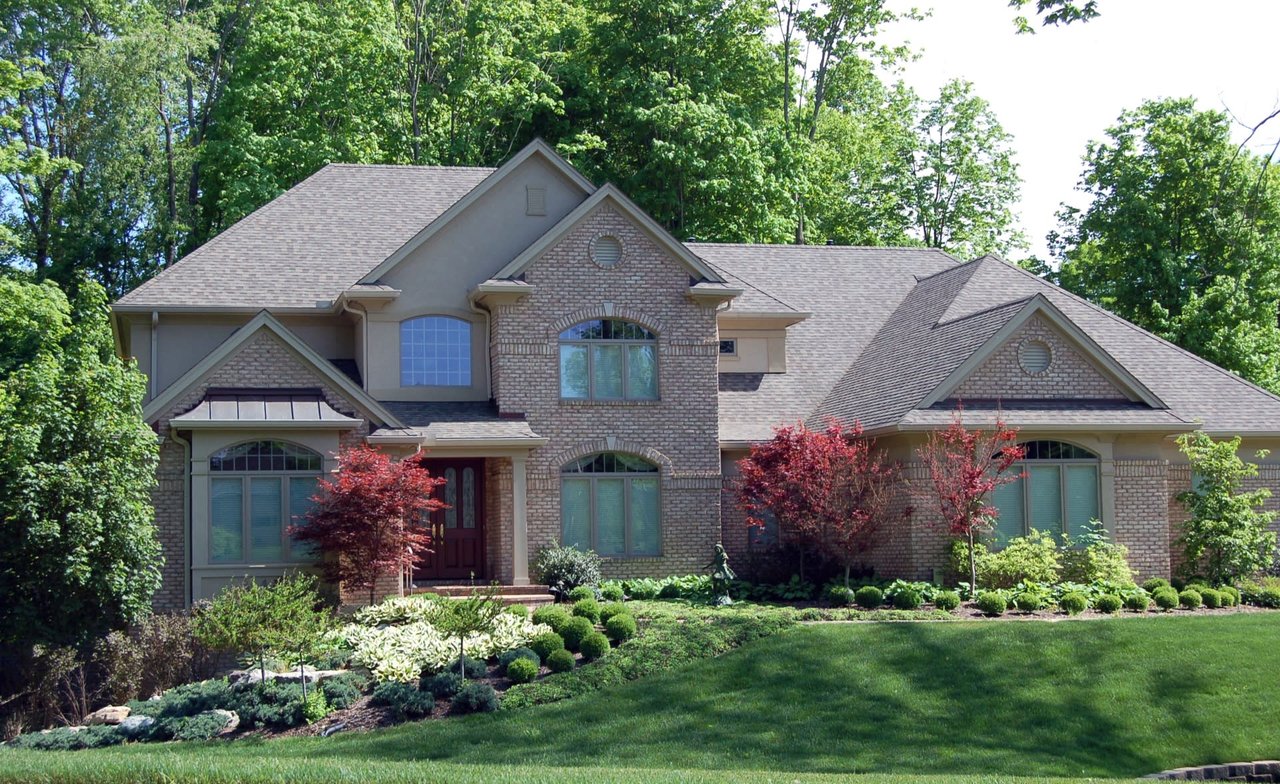
If you want options, Edmond usually gives you more room to compare different housing settings. The city’s land-use plan includes low-density rural neighborhood areas, suburban-style districts, and more walkable downtown residential areas, which creates a patchwork of home styles and neighborhood rhythms across the city, according to the Edmond Plan 2018.
That can be a real advantage if your priorities are evolving. You may want a larger lot, a more tucked-away feel, or a home closer to local events and walkable spots in downtown Edmond. Edmond makes it easier to search across those different experiences without leaving the same city.
Archived planning materials also show how wide that range can be. Edmond has previously described rural estate districts around 90,000 square feet and urban estate districts around 40,000 square feet, though parcel-level zoning should always be verified before relying on exact minimums, based on archived Edmond zoning documents.
Nichols Hills feels more curated
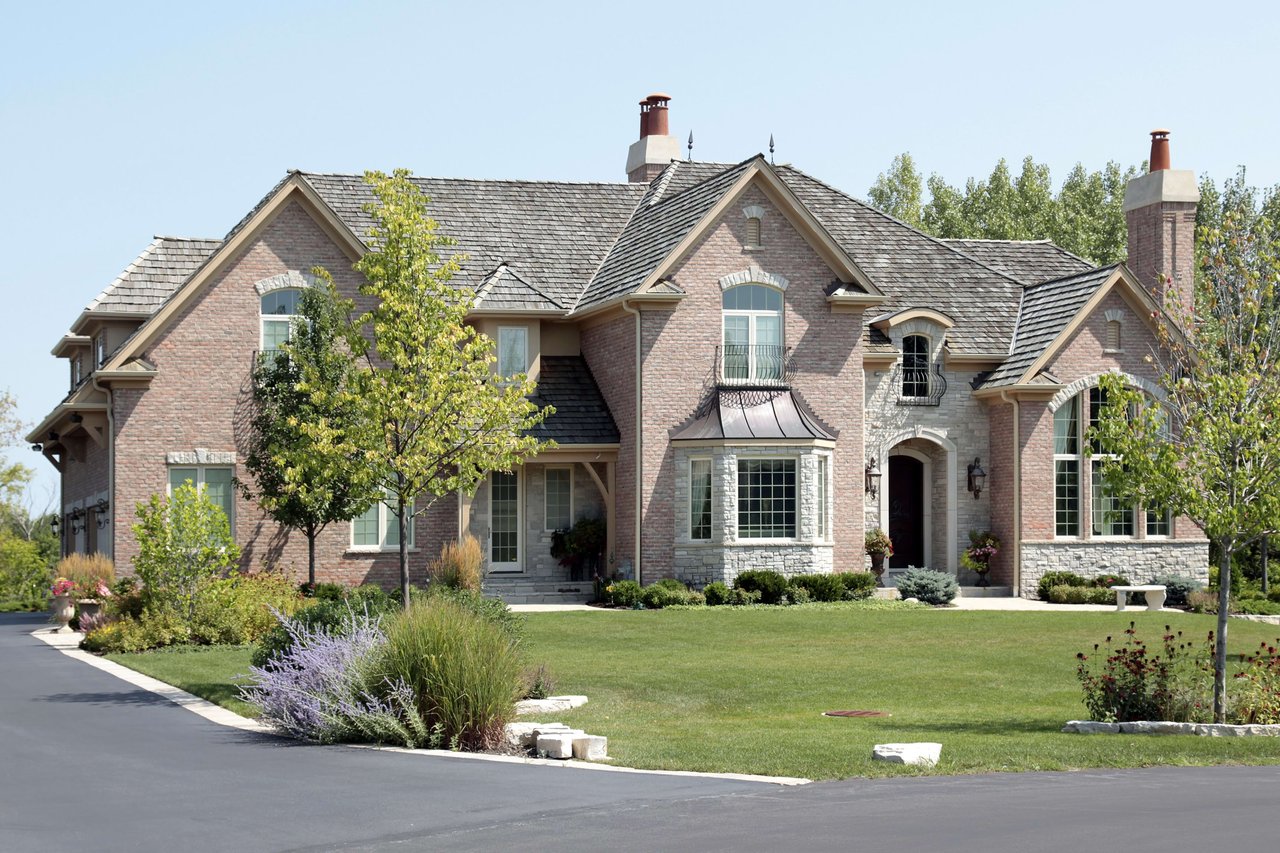
Nichols Hills tends to feel more uniform from one area to the next. Its planning materials describe districts such as the Estate District, Urban Estate District, and established single-family districts with moderate-sized to large lots, all supported by rules that closely manage setbacks, height, lot coverage, and floor-area ratio, according to Nichols Hills planning documents.
For you as a buyer, that often translates to a more predictable visual environment. Streetscapes tend to feel intentionally maintained, and the housing pattern follows a more controlled framework. If you value that sense of consistency, Nichols Hills may stand out quickly.
Daily life and neighborhood rhythm
Edmond has a broader lifestyle menu
Edmond offers more variety in how you spend a typical week. The city describes Downtown Edmond as the heart of the community, with walkable streets, local businesses, public parking, streateries, and community events.
Beyond downtown, Edmond also offers significant outdoor infrastructure. The city highlights 550 miles of sidewalks, 43 miles of trails or multi-use pathways, 46 additional miles of planned trails, plus access to Arcadia Lake trails. If your ideal routine includes weekend markets, outdoor time, and a mix of suburban and more active community spaces, Edmond may feel like the more flexible fit.
Nichols Hills stays close to home
Nichols Hills has a more neighborhood-scaled feel. The city says it maintains 31 landscaped parks and medians, with parks open from sunrise to 10 p.m., and uses a board structure to guide park improvements.
The city’s resident information also points to full-time police and fire protection, twice-weekly house-side sanitation pickup, and two retail districts, Nichols Hills Plaza and the Wilshire Village area. That creates a daily rhythm that can feel intentionally managed and close to home. If you prefer a smaller setting where errands and routines stay compact, Nichols Hills may align more naturally with your lifestyle.
Commuting and access
Edmond supports more ways to get around
Edmond remains car-oriented in many areas, but it has invested in a broader mobility strategy. The city says EdmondShift was adopted in 2022 to improve how people walk, bike, use transit, share rides, and drive throughout the city.
That matters if you are relocating and want flexibility. Edmond is also served by Citylink, including the free 100X commuter route to downtown Oklahoma City. If transit access, trail connectivity, or multi-modal planning matters to you, Edmond has the more developed public framework of the two.
Nichols Hills benefits from proximity
Nichols Hills tells a different access story. It is not positioned as a transit hub, but because it is a small city embedded within the metro, many daily drives and errands are naturally shorter by geography.
That is an important distinction. Nichols Hills may work well for you if your priority is not public transit but simply being near central Oklahoma City destinations. Its appeal is less about transportation systems and more about close-in location.
Which buyers tend to prefer Edmond?
Edmond often makes the most sense if your next chapter calls for flexibility. You may be looking for more space, a wider range of neighborhood styles, or a city where your home search can include everything from large-lot settings to more walkable pockets.
Edmond may be the better fit if you want:
- More housing variety across one city
- Access to larger-lot and estate-style areas
- A broader mix of daily activities and public events
- More trail, sidewalk, and outdoor infrastructure
- Transit options for commuting into downtown Oklahoma City
For move-up buyers and relocators, that range can be especially helpful. It gives you more ways to match your budget, lifestyle, and long-term goals without narrowing your search too quickly.
Which buyers tend to prefer Nichols Hills?
Nichols Hills often appeals to buyers who want a more controlled setting and a more consistent residential feel. The city’s planning framework and compact footprint create a distinct sense of place that many buyers recognize right away.
Nichols Hills may be the better fit if you want:
- A smaller municipality with a close-in metro location
- A more curated residential environment
- Consistent streetscapes and controlled building envelopes
- Everyday errands that stay relatively close to home
- Estate-leaning character in a compact setting
This can be especially attractive if you are less focused on variety and more focused on a certain type of setting. For some buyers, that clarity makes the decision easier.
The real question to ask yourself
When buyers compare Edmond and Nichols Hills, the choice usually comes down to what you want your daily life to feel like. Edmond tends to offer more space, more housing variety, and more neighborhood types. Nichols Hills tends to offer a smaller, more controlled environment with curated streetscapes and easy in-town access.
Neither is universally better. The right fit depends on whether you want more options and spread, or more consistency and closeness. Once you define that clearly, the home search becomes much more focused.
If you are weighing Edmond against Nichols Hills and want help matching your priorities to the right neighborhood and home style, Lindsay Greene can guide you through the decision with local insight, thoughtful strategy, and a calm, high-touch approach.
FAQs
Is Edmond or Nichols Hills better for larger lots?
- Edmond generally offers a wider spread of lot sizes, including large-lot estate areas, while Nichols Hills is more consistently large-lot to mid-sized-lot in character.
Is Edmond or Nichols Hills better for walkability and events?
- Edmond offers more built-in options for walkable routines and community events, especially around downtown Edmond.
Is Edmond or Nichols Hills better for shorter in-town errands?
- Nichols Hills is often a strong fit if you want a compact setting where many daily trips stay close to home.
Does Edmond have public transit to downtown Oklahoma City?
- Yes. Edmond says Citylink includes the free 100X commuter route between Edmond and downtown Oklahoma City.
How should you choose between Edmond and Nichols Hills when relocating?
- Start by deciding whether you want more housing variety and space, which often points to Edmond, or a smaller and more curated setting, which often points to Nichols Hills.