Is Gaillardia the right fit for your next chapter? If you’re drawn to tree-lined streets, course views, and a country-club lifestyle, this guide will help you buy with clarity. You’ll learn what to expect from homes, HOA rules, club membership, inspections, and ongoing costs so you can move forward with confidence. Let’s dive in.
Gaillardia lifestyle and amenities
Golf-course living is more than a yard on a fairway. In Gaillardia, you can expect manicured streets, scenic walking routes, and convenient access to recreational spaces. Course maintenance happens early and often, so plan for periodic mower noise and activity near course-facing lots.
Beyond the fairways, the community experience often includes:
- A private country club with dining and social events
- Pools and cabanas for warm-weather relaxation
- Tennis or pickleball courts and a fitness center
- Event spaces that anchor a year-round social calendar
These amenities drive both the lifestyle and long-term appeal of the neighborhood. If a connected community is part of your wish list, Gaillardia checks that box.
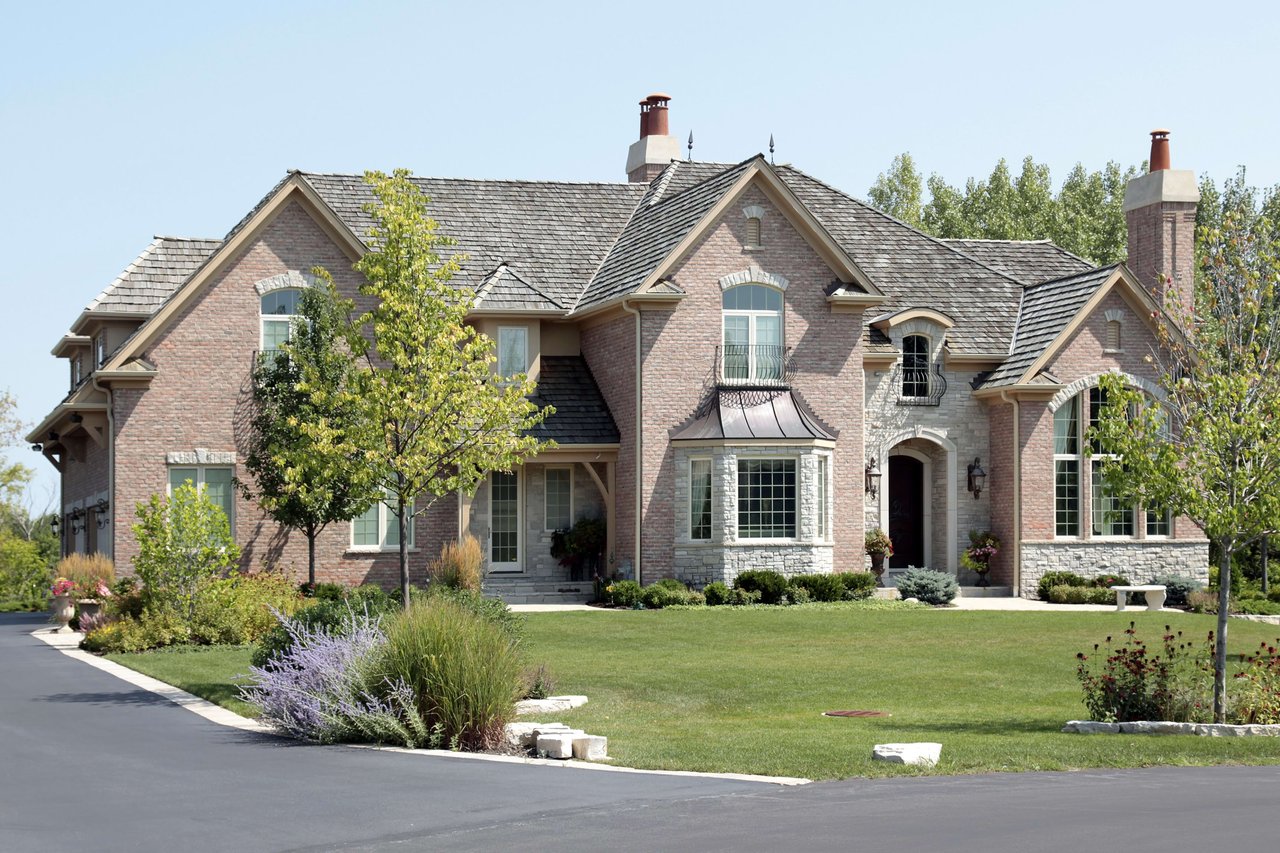
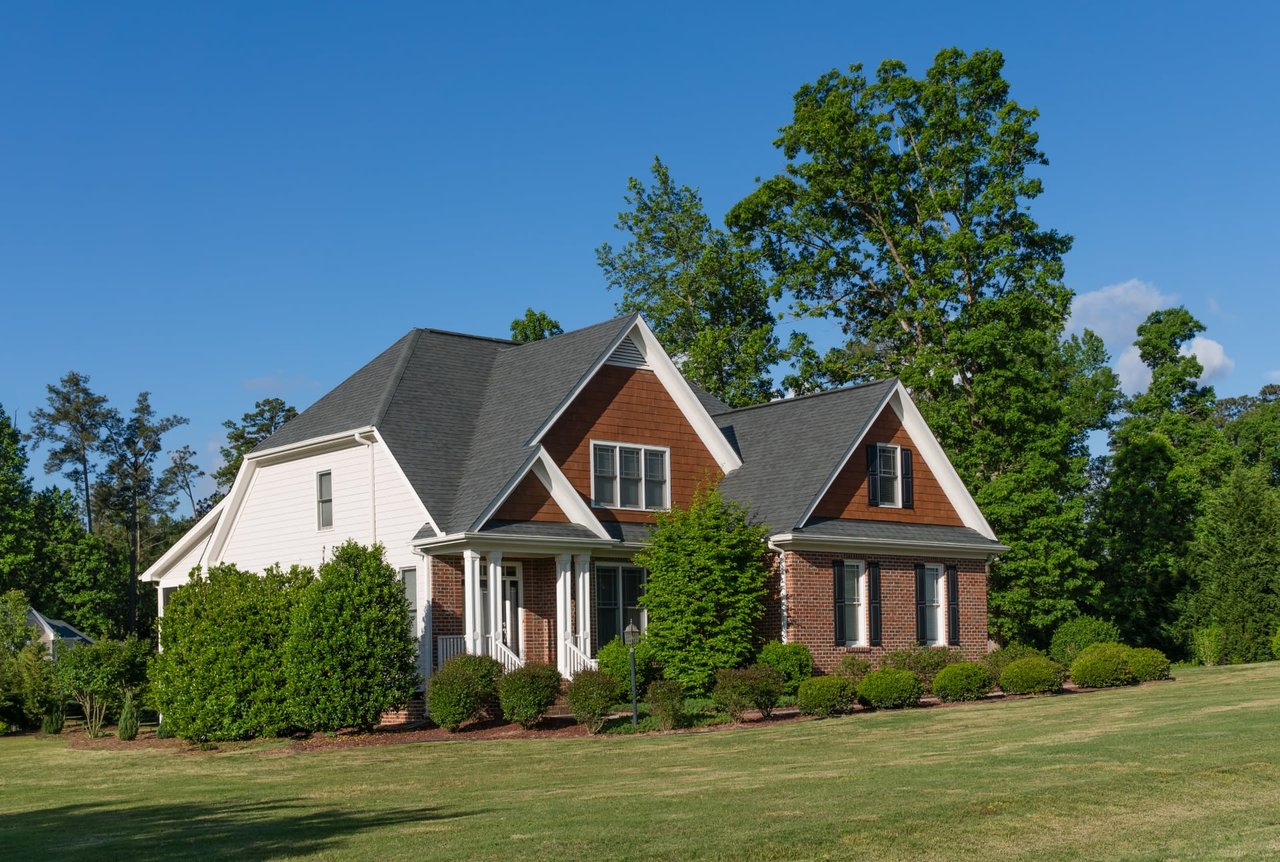
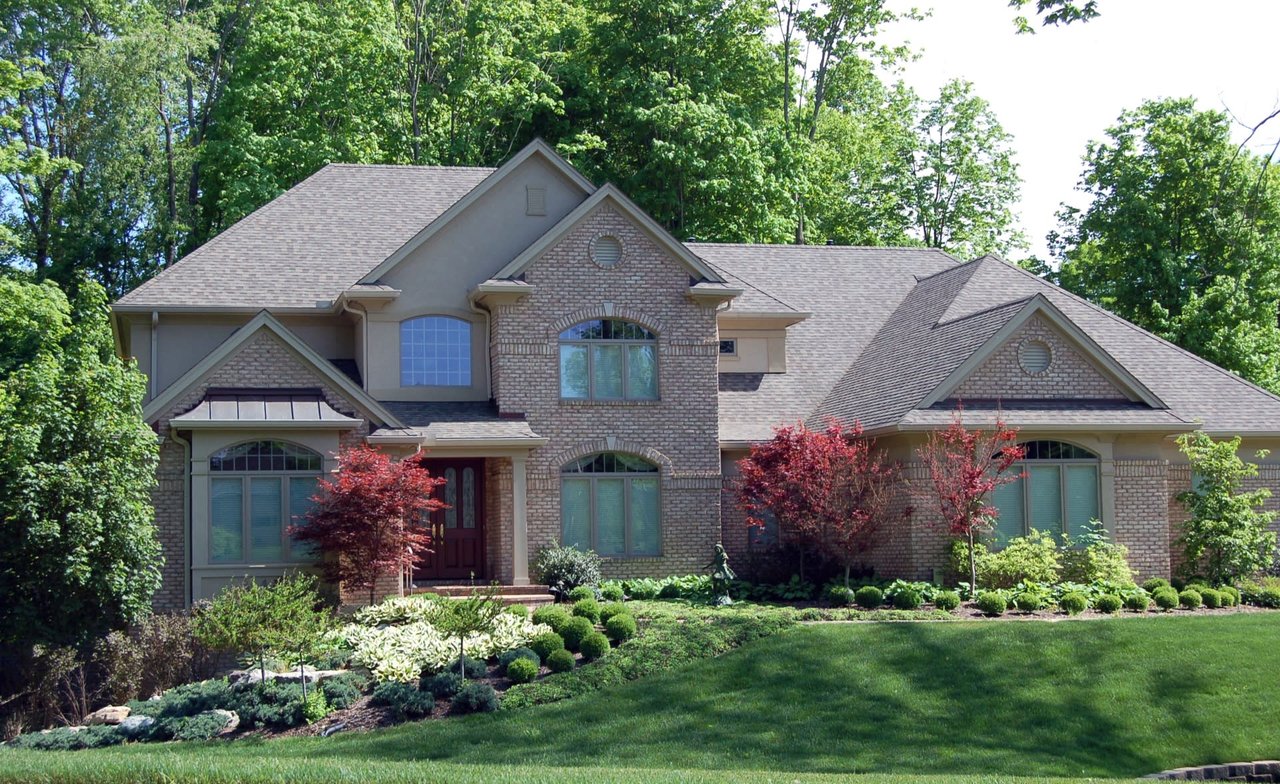
Home types you’ll see
You’ll find a mix of properties suited to different life stages and preferences:
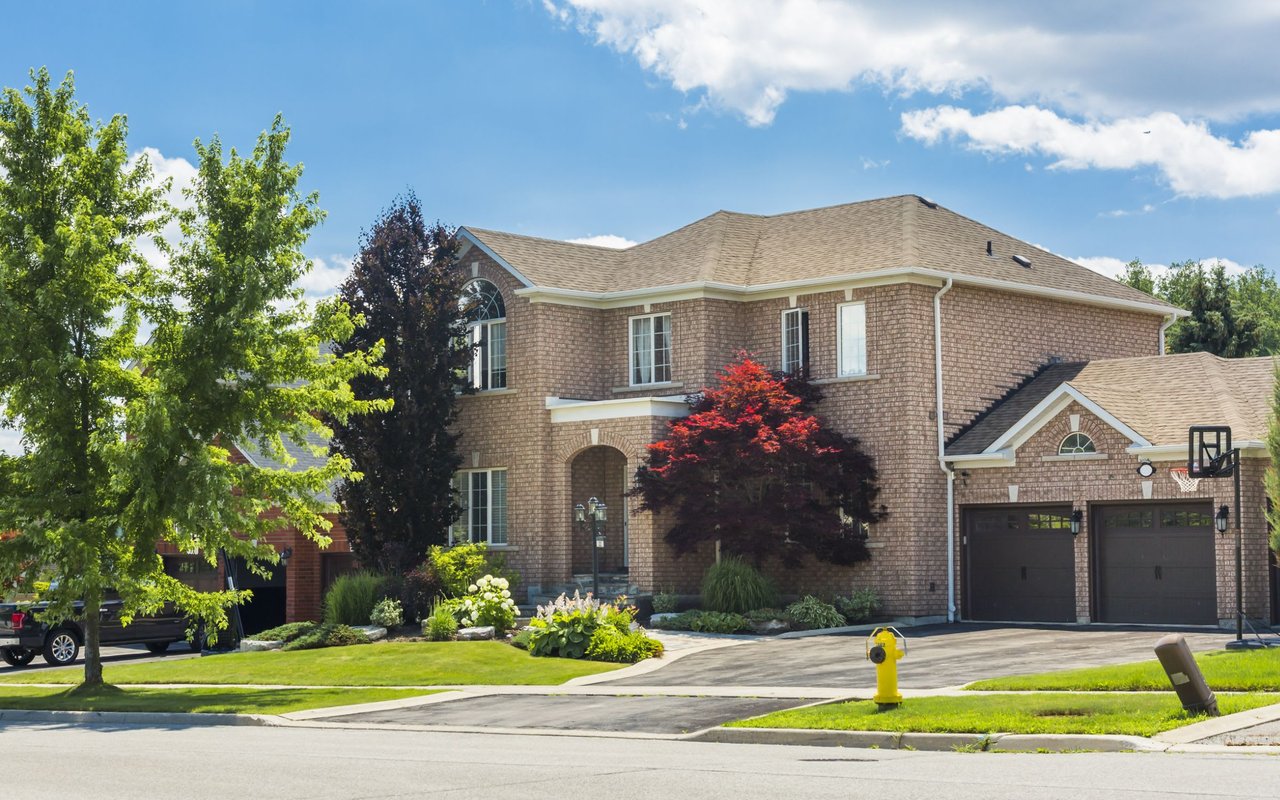
- Single-family homes that line interior streets or back to the course
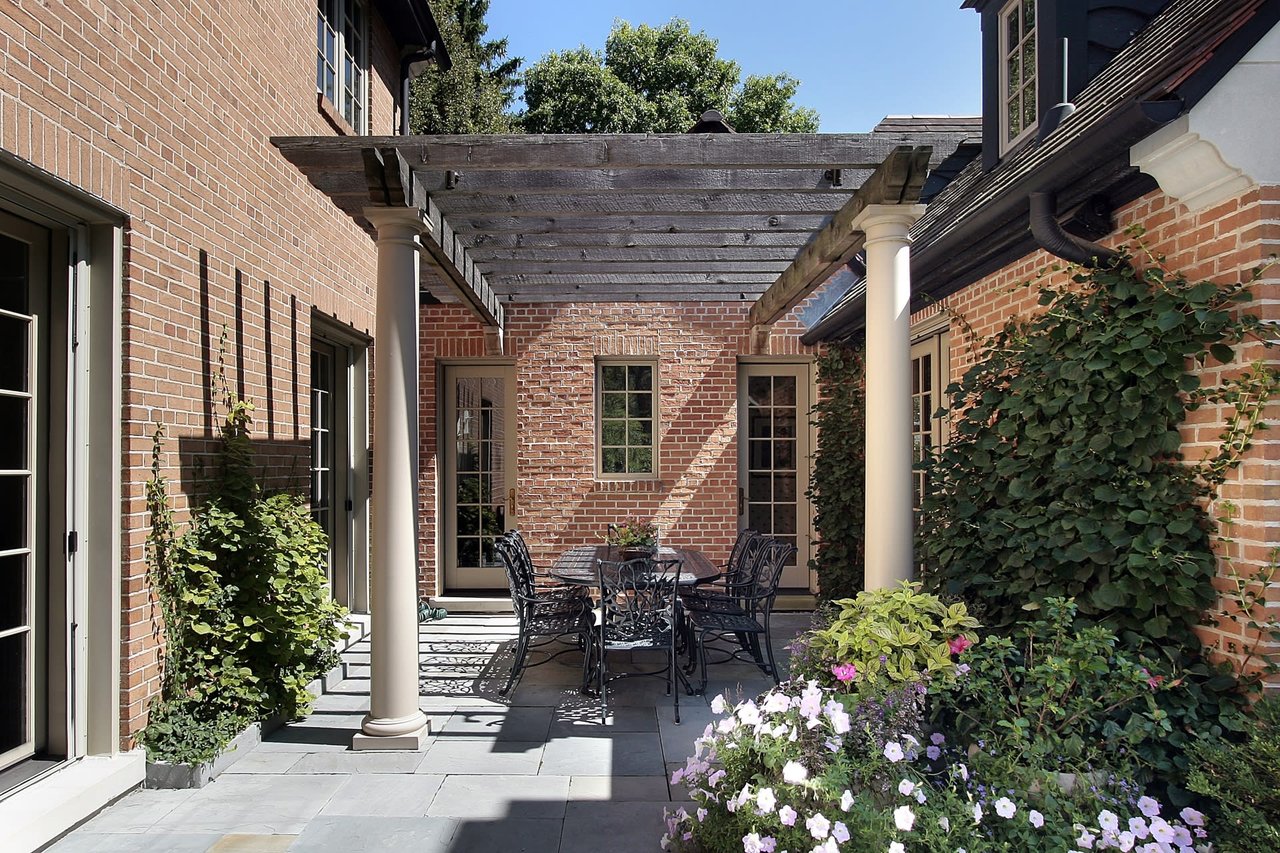
- Patio or villa-style homes designed for lower maintenance
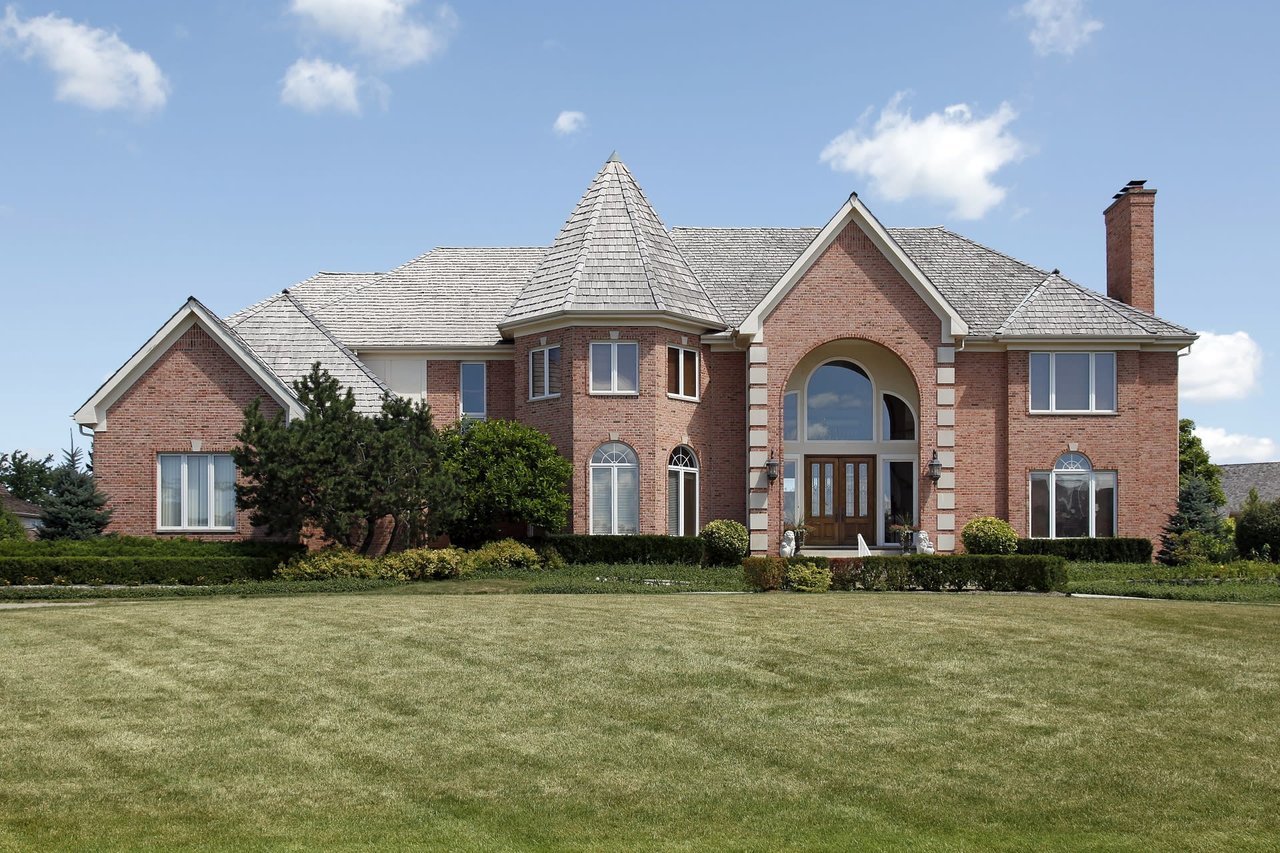
- Custom estates on larger or golf-facing lots with premium finishes
- Townhomes or condos may be present in or near the community, but availability varies, so confirm locally
If you prefer easy lock-and-leave living, look for patio or villa homes. If views and privacy top your list, target larger lots along fairways, water features, or open vistas.
What drives price and value
Several features tend to shape pricing and resale strength in golf communities like Gaillardia:
- Golf-facing lots: Premiums are common due to views and limited supply
- Lot size and position: Larger, deeper, or end-of-cul-de-sac lots often command higher prices
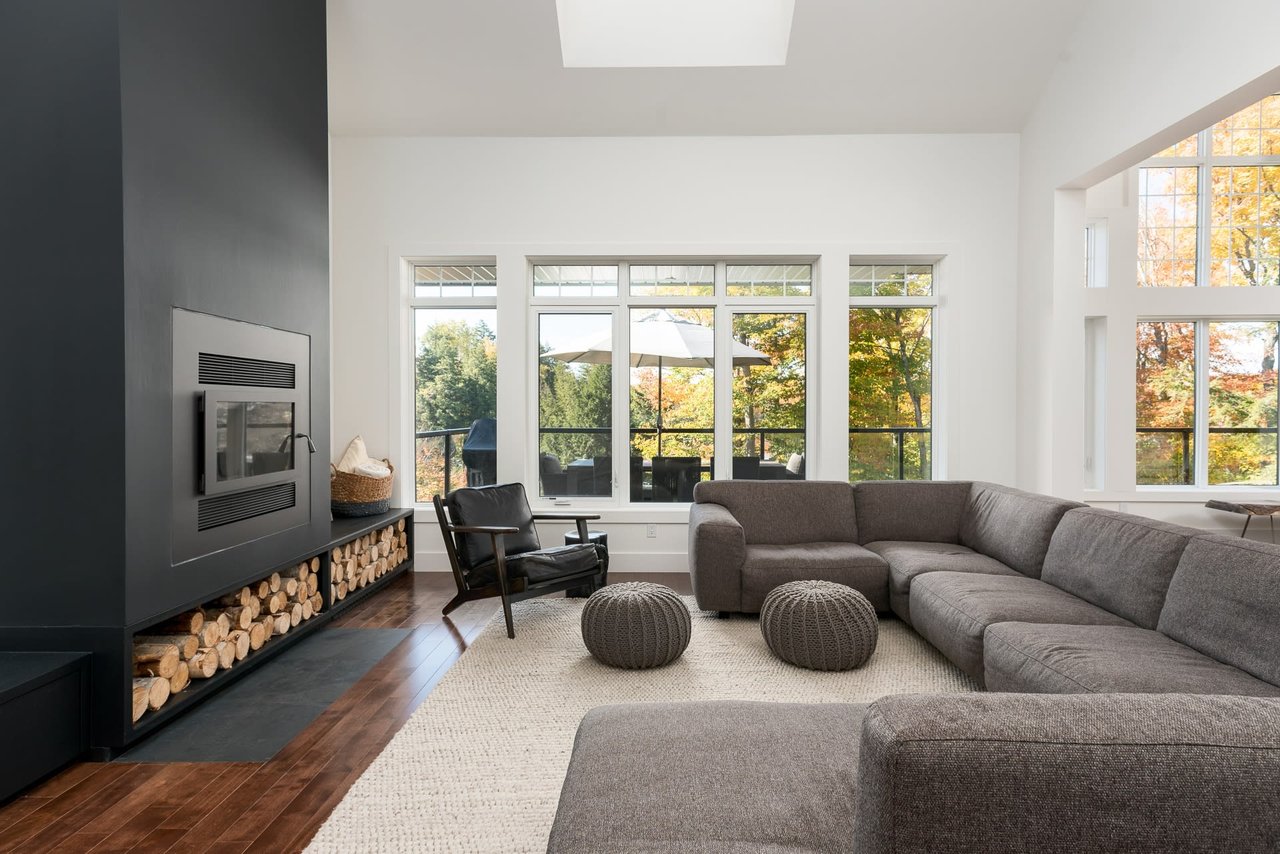
- Updates and finishes: Recently renovated kitchens, baths, and club-level finishes add value
- Membership: Some listings may include club membership or offer transfer options that affect total cost
When comparing homes, look beyond list price. Factor in HOA dues, any country-club initiation fees and monthly or annual dues, and the potential for special assessments. For resale, consider street traffic, proximity to the clubhouse, view corridors, and privacy from cart paths.
HOA rules and club membership essentials
Homeowner associations shape the look and feel of the community. Before you make an offer, review the HOA’s governing documents:
- CC&Rs, bylaws, and rules: Exterior appearance, landscaping, fencing, satellite dishes, sheds, and holiday displays are often regulated
- Assessments: Understand monthly or quarterly dues and what they cover, such as common area maintenance and security
- Financials and reserves: Look for a recent reserve study and adequate savings to limit special assessments
- Architectural review: Learn how to submit plans for exterior changes and the timelines for approvals
Country-club membership policies can vary and may change over time. Clarify the following in writing:
- Whether membership is voluntary or required for your lot
- Available membership types, such as full golf, social, or corporate
- Initiation fees, ongoing dues, and any transfer or capital contribution requirements
- Transfer policy on sale, potential discounts, or mandatory transfer fees
- Current club investments in course and amenity upgrades that influence long-term desirability
Good governance supports your experience and investment. Ask whether the HOA is self-managed or professionally managed, how often the board meets, and how disputes and fines are handled. Request recent meeting minutes to see what issues are being discussed.
Inspections and golf-specific checks
A thorough inspection routine protects your purchase. In this market, consider the following as standard due diligence:
- General home inspection for structure, roof, HVAC, plumbing, and electrical
- Termite and wood-destroying organism inspection
- Sewer scope or septic inspection if the property is not on municipal sewer
- Service records for HVAC, water heater, and major appliances
- Roof age and warranty documentation
- Mold and moisture inspection if there are signs of water intrusion
Course-adjacent homes benefit from a few extra checks:
- Irrigation system: Test zones, identify leaks, and confirm winterization needs or separate water meters
- Drainage: Evaluate retaining walls, swales, and course drainage channels for signs of ponding or erosion
- Privacy and protection: Inspect fencing, window strength, and screening near fairways and tee boxes
- Cart path easements: Confirm location, use rights, and maintenance responsibilities
- Trees and roots: Assess large trees for health and potential impacts on foundations or utilities
Regional risk factors to understand include severe weather and hail exposure, which influence insurance choices. Review flood risk using FEMA maps and local data, since even areas outside mapped floodplains can experience runoff or ponding near fairways. In parts of Oklahoma, induced seismicity is a consideration. It is wise to check seismic history and review title and mineral records. If you have health concerns, ask the club about pesticide and herbicide practices used on course turf.
Legal and title considerations in Oklahoma
Every parcel tells a story in its recorded documents. Focus on these items during title review:
- Easements: Cart path, drainage, utility, and access easements are common along course edges, and they shape what you can build
- Setbacks: Confirm buildable areas near the course boundary before planning additions
- Mineral rights: In Oklahoma, mineral rights are often severed from surface ownership. Check title and county records for reservations or leases and ask the seller about any surface-use agreements
For closing, request a title commitment and confirm the absence of liens or encumbrances. Identify any club-related transfer fees, capital contributions, or first-year dues due at closing. Obtain an HOA resale certificate for current dues, recent assessments, and pending actions.
Financing, insurance, and ongoing costs
Most buyers use conventional, FHA, or VA financing. Some lenders review HOA financials, litigation status, and owner-occupancy ratios before approving a loan, so gather HOA documents early. If you are considering a lot purchase or a non-warrantable condo, expect more limited lending options.
Insurance deserves early attention in this region:
- Homeowners policies: Compare wind and hail coverage and review deductibles
- Tornado and windstorm: Confirm how your policy handles these events
- Flood insurance: Required if the home sits in a designated floodplain; consider it even if the parcel is outside mapped areas
- Golf-course adjacency: Ask about coverage for damage from golf balls to windows, siding, and landscaping
- Umbrella liability: A simple way to add extra protection, especially if you plan to host or rent
Plan for ongoing costs that match your lifestyle and budget:
- Property taxes: Review the county assessor’s site for assessed value trends and ask about homestead exemptions
- HOA dues and club dues: Budget for both, including any future increases
- Utilities: Irrigation systems can raise water bills; request the seller’s utility histories if available
- Maintenance: If lawn care is not included, plan for weekly service. Set aside funds for exterior paint cycles and eventual roof replacement
Daily life: commutes, schools, and services
Your daily rhythms matter. Test-drive your commute at typical peak times to major employment centers and note the impact of nearby arterials or highways on both convenience and noise. Proximity to major roads can be a plus for access and a consideration for sound levels and resale.
For schools, confirm the district and attendance zones by parcel, since boundaries can change and may differ within the community. Rely on official state and district sources for current information. Nearby childcare, parks, libraries, medical offices, and hospitals add convenience for daily life. Plan a scouting trip to identify your go-to grocery stores, pharmacies, and service providers.
Your step-by-step buyer checklist
Use this checklist to move from curious to confident:
- Confirm the exact municipal jurisdiction and county for your target parcel. This affects taxes, permitting, and school boundaries.
- Gather documents: MLS listing, seller’s disclosure, HOA CC&Rs and rules, recent HOA financials and minutes, and the club’s membership and transfer policy.
- Review flood risk on FEMA maps and ask about past drainage or ponding on the lot and along nearby fairways.
- Order inspections: general home, termite, sewer or septic, roof, HVAC, and any needed mold or moisture testing.
- Add golf-specific checks: irrigation system, drainage and retaining walls, cart path easements, fencing, and tree health.
- Conduct title due diligence: request a title commitment, confirm easements, check mineral rights and any recorded leases, and note club or HOA transfer fees.
- Verify all dues and fees: HOA assessments, special assessments, club initiation, monthly or annual dues, and any capital contributions at closing.
- Discuss financing with your lender and provide HOA documents early to avoid delays.
- Obtain insurance quotes for homeowners, wind and hail, and flood coverage. Ask about golf-ball damage and consider umbrella liability.
- Walk the property at different times of day to assess noise, maintenance activity, and privacy.
How we help you buy in Gaillardia
You deserve a calm, well-orchestrated purchase. With neighborhood expertise in Gaillardia and the northern Oklahoma City metro, we guide you through documents, inspections, and membership questions with clear next steps. We coordinate with HOA managers, club representatives, title officers, lenders, and inspectors so nothing important gets missed.
If you’re relocating, we provide video previews, live virtual showings, and a curated shortlist tailored to your lifestyle. If you are also selling, we deliver luxury-grade marketing and smooth timelines so your transition feels seamless. When you are ready to explore Gaillardia with a trusted local advisor, connect with Lindsay Greene.
FAQs
Is Gaillardia gated and what security is typical?
- Gate access and security procedures can vary by entrance and sub-association, so confirm current policies with the HOA and review the community rules.
Are country-club initiation fees mandatory when I buy?
- Membership requirements differ by lot and membership type; verify in writing whether membership is optional, required, or transferable for your specific property.
How much are HOA dues and what do they cover?
- Dues and inclusions change over time; review the HOA resale certificate and budget for current assessments, what they include, and any special assessments.
Do homes on the golf course sell at a premium?
- Course-facing lots often command premiums for views and scarcity, but value also depends on lot position, privacy, updates, and broader market conditions.
Are short-term rentals allowed in Gaillardia?
- Many HOAs limit or prohibit short-term rentals; check CC&Rs and local ordinances for current restrictions and approval procedures.
How strict are exterior modification rules?
- Expect an architectural review process and guidelines for landscaping, fences, paint colors, and additions; submit plans and obtain written approval before work.
What maintenance issues are common for golf-course homes?
- Irrigation upkeep, privacy fencing or window protection near fairways, drainage management, roof wear from hail, and landscaping impacts are typical focus areas.
How does living on a course affect insurance?
- Ask your insurer about coverage for golf-ball damage to windows and siding, review wind and hail deductibles, and consider umbrella liability for added protection.
Where do I check flood risk, mineral rights, and easements?
- Use FEMA flood maps for risk, county assessor and recorder records for property and mineral data, and your title commitment for easements and restrictions.
What is the process to join the club and are there waitlists?
- Contact the club for current membership categories, initiation and dues, any waitlists, and transfer procedures, and review written policies before closing.