Are you torn between the shine of a new build and the charm of an established neighborhood in Edmond? You are not alone. Many buyers want modern features, efficient systems, and warranties, while also craving larger yards, mature trees, and shorter commutes. In this guide, you will learn how each path fits Edmond life, what to expect on costs and maintenance, and how to make a confident decision. Let’s dive in.
How Edmond’s housing mix shapes your choice
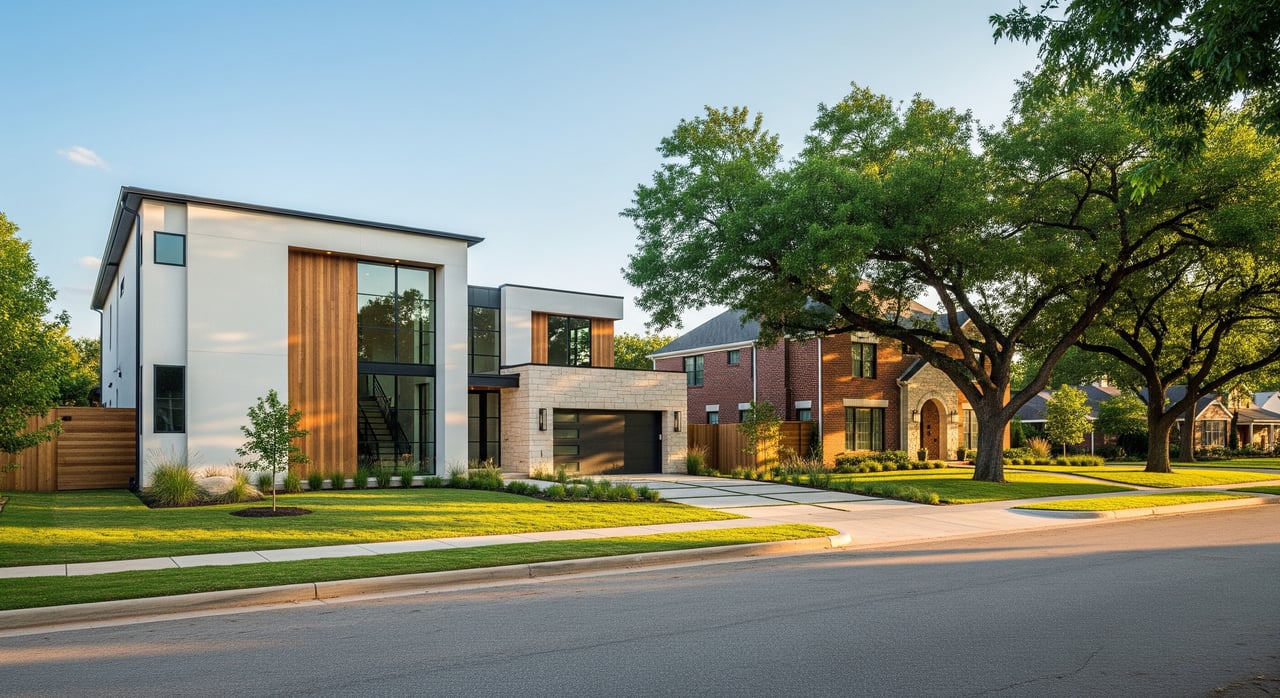
Edmond blends older districts near downtown and UCO with master-planned communities on the city’s edges. That variety gives you options at different price points and lifestyles. Newer development often sits farther out, which can add minutes to your daily drive. Established neighborhoods closer to major routes like I-35 can shorten commutes.
Schools and city services are top of mind for many buyers. New communities can lead to school boundary adjustments as enrollment shifts. Always verify current attendance zones and ask Edmond Public Schools about any planned changes. Services and infrastructure in newer areas continue to mature, while older areas may have established rhythms and routines.
New builds: what you get
Layouts and systems
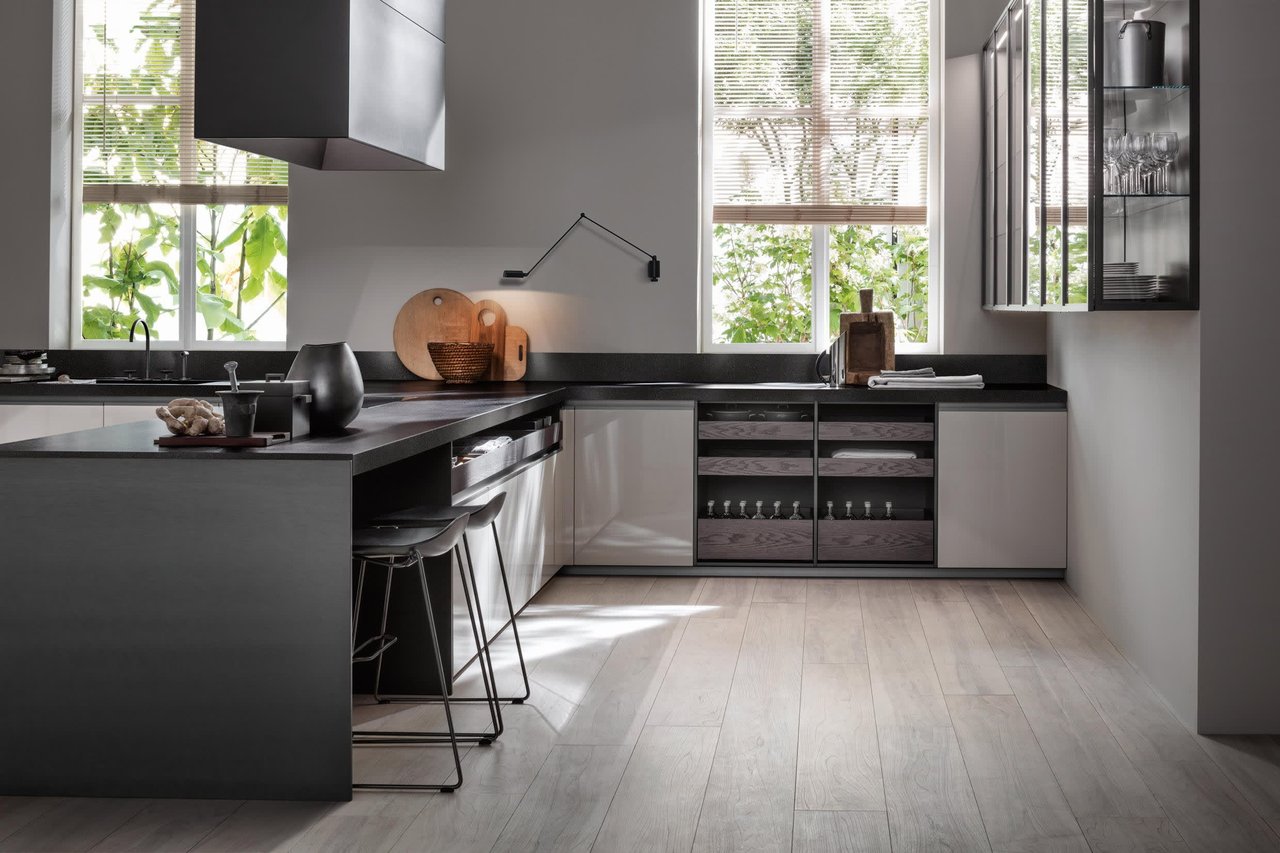
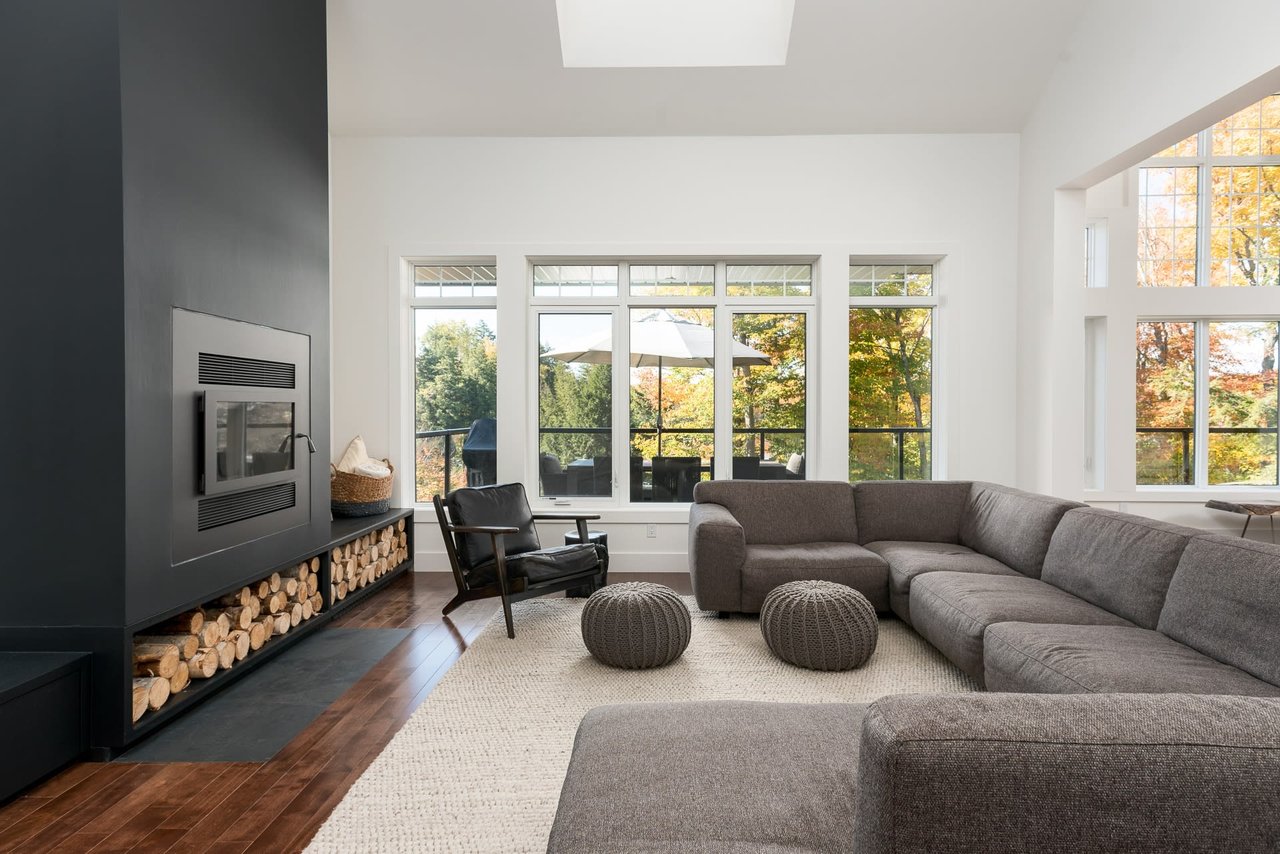
New homes usually offer open-concept floor plans, larger kitchens, and contemporary owner suites. You also get newer mechanical systems, energy-efficient windows, and improved insulation. Builder warranties can reduce early ownership risk. Customization is possible if you buy early in construction, although upgrades add cost.
Lot size and outdoor space
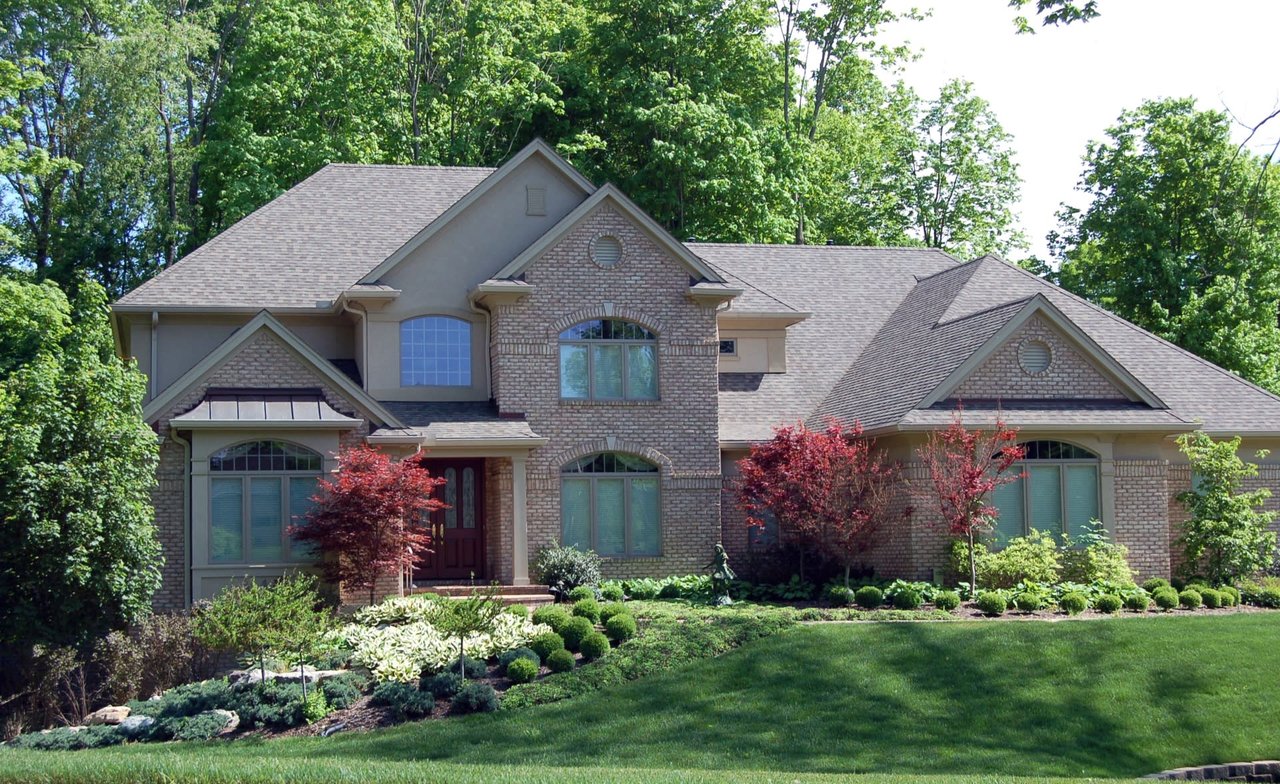
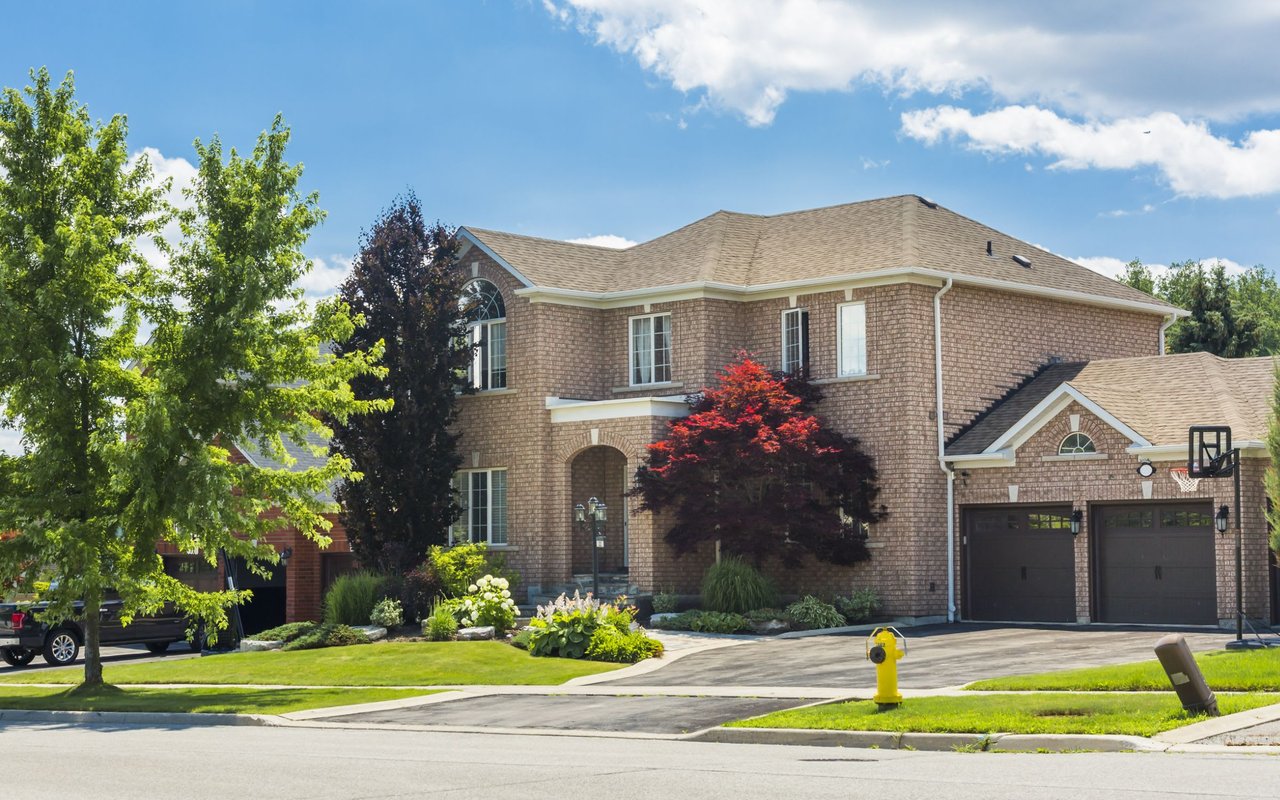
Many new subdivisions in Edmond prioritize efficient lot use. That can mean smaller private yards, which reduce maintenance. Some master-planned neighborhoods balance this with shared green space, trails, and playgrounds. If a big backyard is a must, look for larger-lot phases or edge-of-city projects.
Ownership costs and HOA structure
Short-term maintenance is often lower in a new home because systems are fresh and covered for a time. Expect HOA fees in many communities, especially where amenities are robust. Review covenants, restrictions, and any planned assessments so you know exactly what you are paying for.
Price and appraisal
New construction can carry a higher price per square foot that reflects builder profit and modern materials. In slower seasons, you may see incentives or included upgrades. Appraisals in brand-new phases can be complex if there are few comparable sales. Talk with your lender early about timing and appraisal strategy.
Amenities and neighborhood character
Many new communities offer pools, clubhouses, and planned trails. Architectural styles often lean uniform, guided by covenants to preserve a consistent look. If you value immediate access to built-out retail and restaurants, confirm the development timeline for nearby commercial phases.
Resale outlook
New builds appeal to buyers who prioritize move-in ready living and low maintenance. In areas with many similar homes, pricing can be competitive as more listings come online. Proximity to services and stable school assignments will shape future marketability.
Established neighborhoods: what you get
Space, trees, and privacy
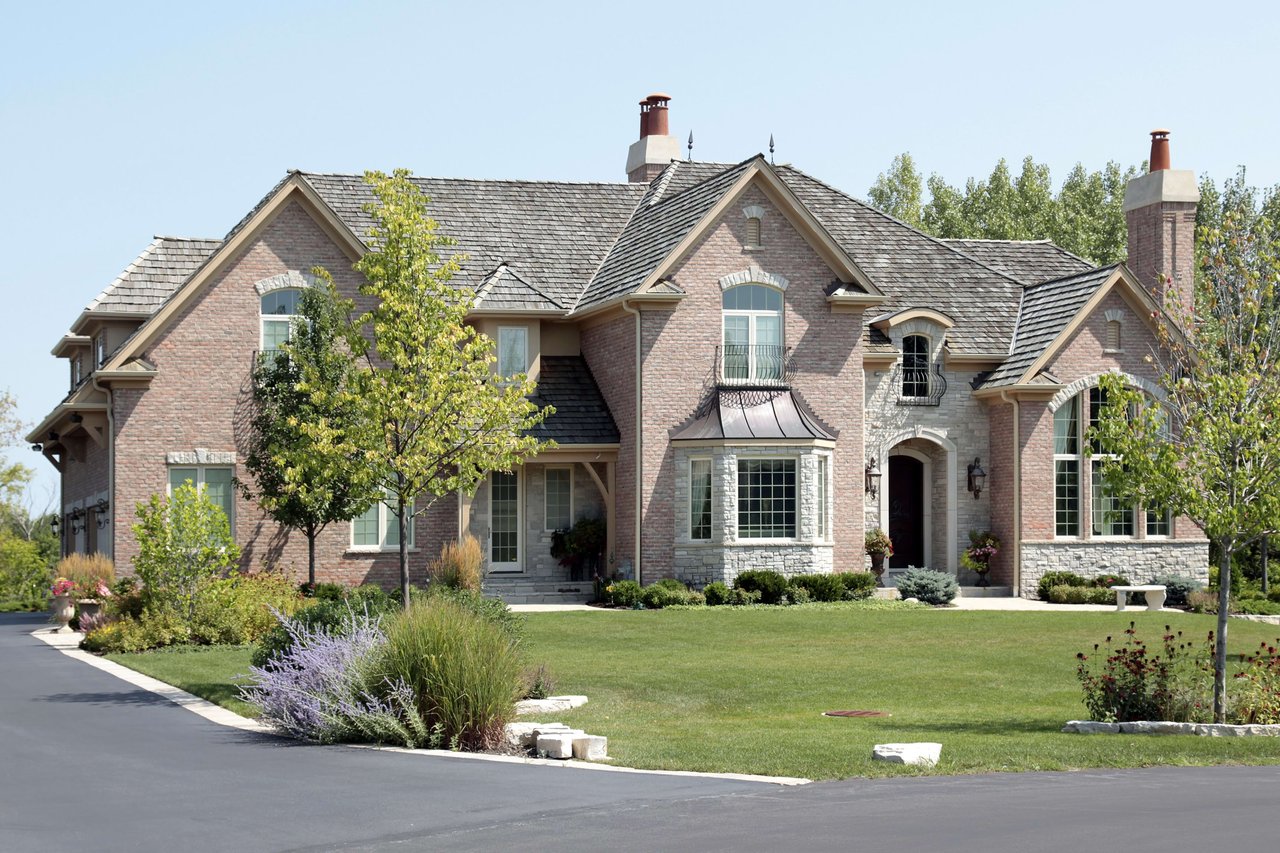
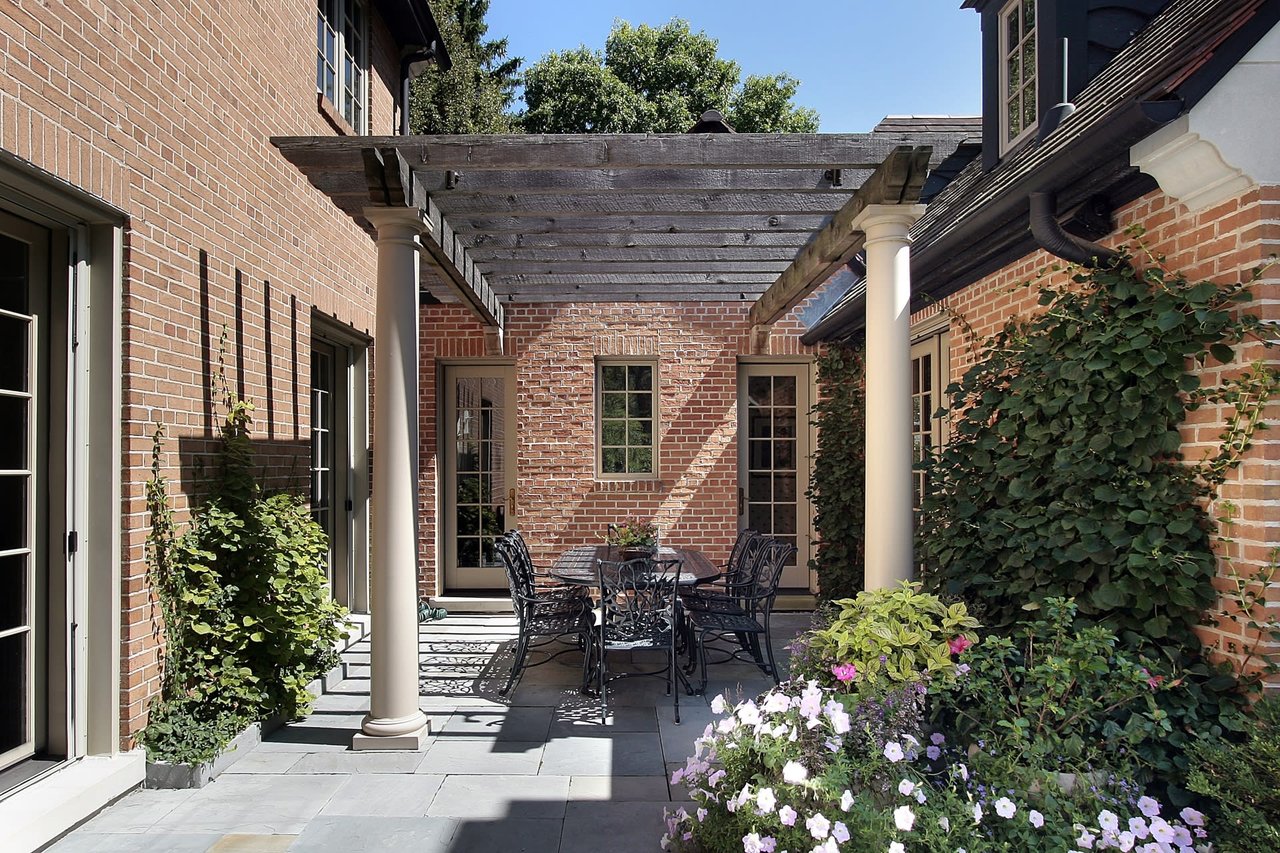
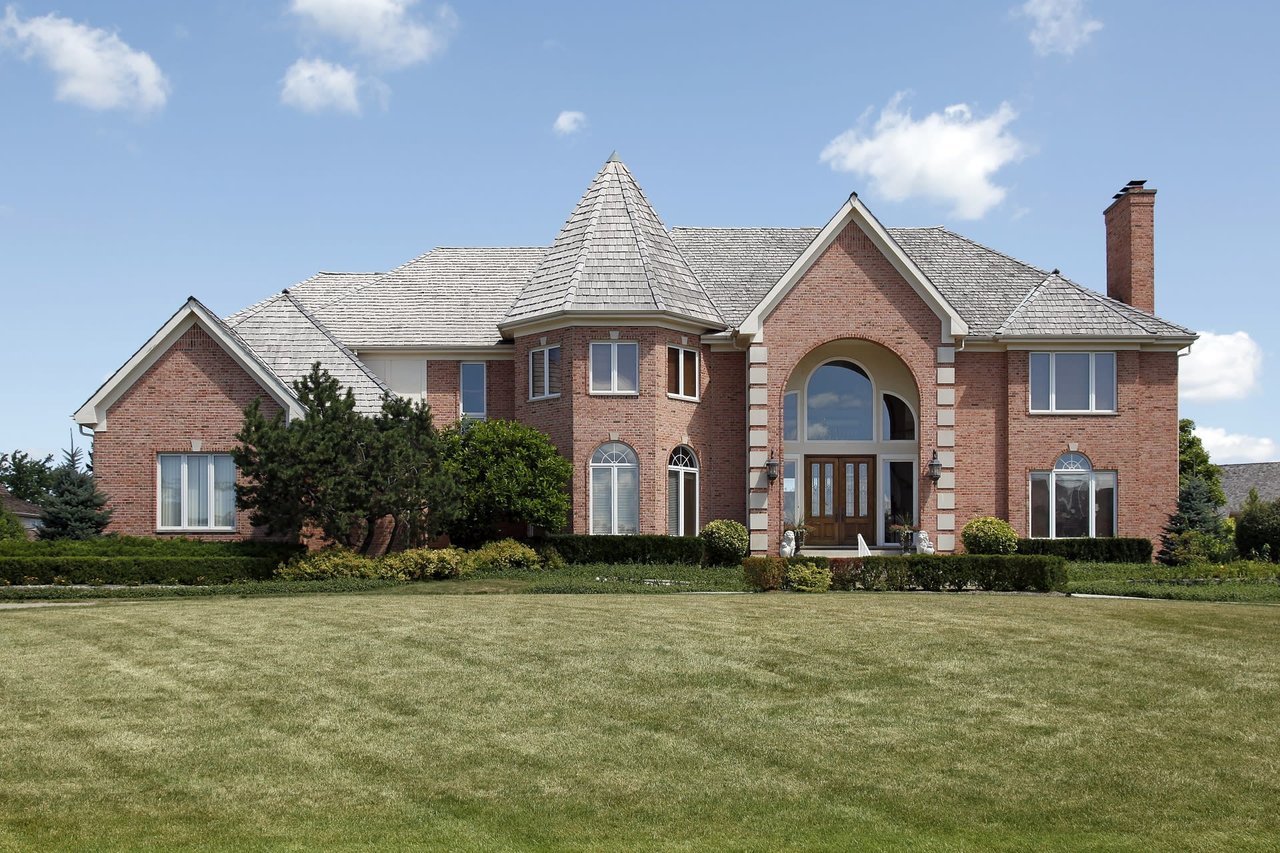
Older Edmond neighborhoods often feature larger lots and mature landscaping. That can mean more privacy and room to add features like gardens or patios. Maintenance needs can be higher, especially for tree care and irrigation.
Character and potential
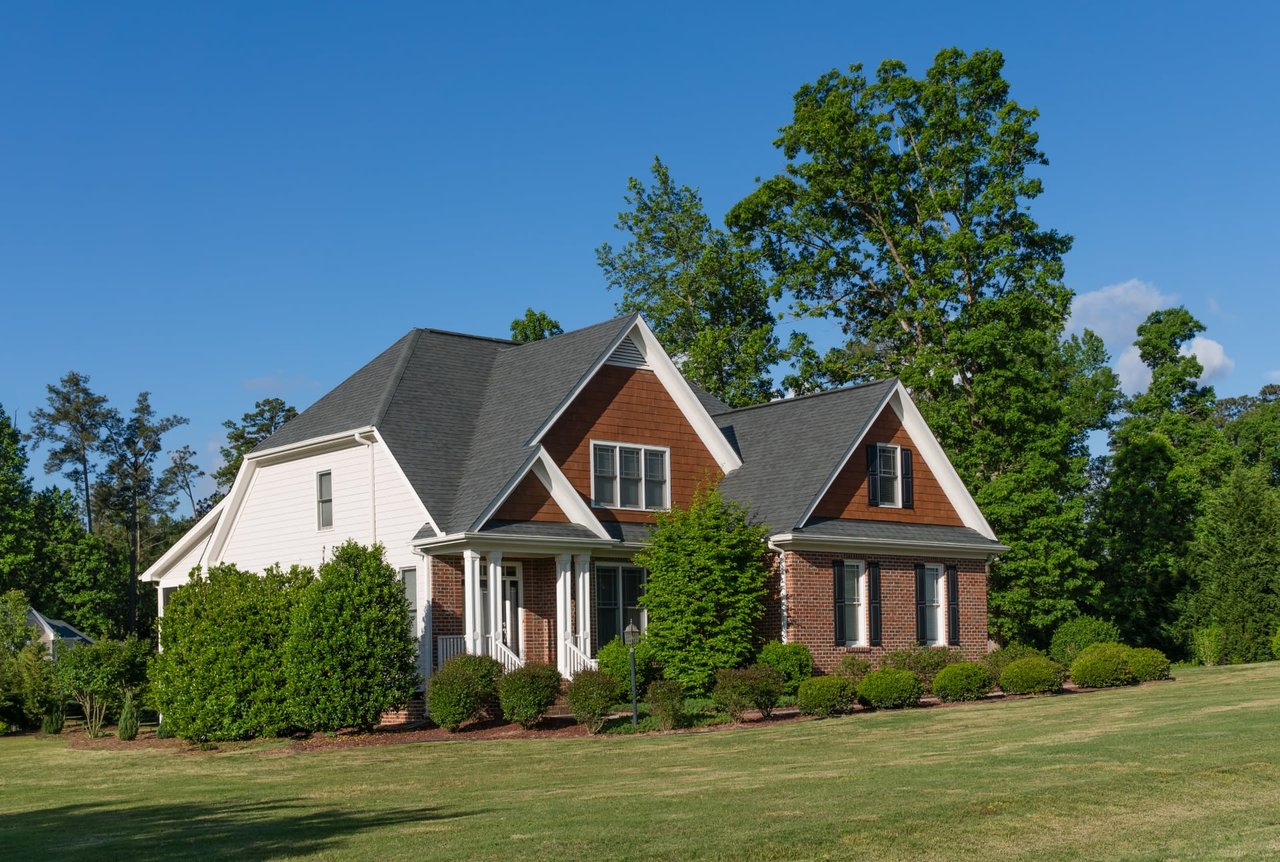
You will find a wider range of architectural styles and finishes in established areas, from mid-century ranch homes to early 2000s builds. Many properties are perfect for thoughtful updates to kitchens, baths, HVAC, and insulation. Buying lower and renovating can be a smart path if you want a tailored home.
Price and maintenance tradeoffs
Purchase price per square foot can be lower than new builds, but factor in updates and potential deferred maintenance. Roofs, windows, and plumbing can add to your total cost of ownership. On the flip side, some established neighborhoods have no HOA or lower fees.
Location, walkability, and daily life
Older neighborhoods near central Edmond can offer shorter drives to shops, restaurants, parks, and schools. Walkability varies by area, so tour at different times of day. If a lively daily rhythm matters to you, prioritize location and existing amenities.
Resale outlook
Well-maintained or thoughtfully updated older homes in stable neighborhoods remain attractive. Buyers who value lot size, character, and proximity to community services often pay a premium for the right fit. Your choices during renovation will influence long-term value.
Decision guide: choose what fits you
Quick buyer profiles
- You want yard space and room to play: Consider established neighborhoods with larger lots or newer phases that offer larger parcels. Verify zoning and room for future outdoor projects.
- You want turnkey living and minimal upkeep: Explore new construction with warranties and modern floor plans in master-planned communities.
- You love character and central convenience: Look at older neighborhoods near downtown and UCO, then budget for updates.
A simple scoring framework
Use a weighted decision matrix to compare options.
- List your top priorities: commute time, school assignment stability, yard size, modern layout, maintenance, HOA value, and price per square foot.
- Assign each priority a weight from 1 to 5 based on importance.
- Score new build and established options from 1 to 5 for each priority.
- Multiply weight by score to get totals, then compare. This keeps emotions in check while focusing on what matters most to you.
Commute, schools, and services in Edmond
Most residents rely on private vehicles for work and school. If you commute to Oklahoma City, test drive your route during rush periods and consider access to I-35 and major arterials. Minutes saved each way add up over time.
Edmond Public Schools can see attendance boundary shifts as neighborhoods develop. Confirm your current school assignment and ask about planned enrollment changes before you write an offer. City services are strong, but brand-new areas may still be scaling infrastructure such as roads and drainage.
Inspection and due diligence checklists
For any home you tour
- Roof: confirm age or warranty and check visible condition.
- HVAC: note age, service history, and current performance.
- Insulation and windows: look for draft points and ask about R-values or upgrade dates.
- Electrical: evaluate panel capacity and GFCI placement.
- Plumbing: identify pipe materials, check water pressure, look for leaks.
- Foundation and drainage: verify slope away from the structure and note any cracks or settlement.
- Pest history: ask for termite treatment records and inspect for signs.
- Appliances and finishes: understand what is included and any warranties.
- Lot and trees: consider root intrusion risk and proximity to the foundation.
- Flood and drainage: review flood risk using FEMA flood resources and local drainage plans.
Smart questions for builders
- What warranties come with the home and how are claims handled?
- Which items are covered, and for how long?
- What is the energy efficiency package, including insulation and HVAC ratings?
- What is the build-out timeline for roads, parks, and nearby commercial areas?
- What are the HOA rules, fees, and any known assessments?
- How is lot grading handled and are there retention ponds or easements?
- What are the construction timelines and how are delays addressed in the contract?
- How are upgrades priced and managed if you change selections?
Smart questions for sellers or listing agents
- What are the ages and service records of the roof, HVAC, water heater, and sewer line?
- Have renovations been permitted and inspected as required?
- Are there known issues with foundation, drainage, or pests?
- What are typical utility costs and the property tax history?
- Why is the owner selling and how long has the property been on the market?
- How does this home compare to recent nearby sales of similar properties?
Questions for the HOA or community manager
- Which services do HOA fees cover and how often do fees increase?
- What is the reserve fund status and are there pending assessments?
- Are there architectural controls that affect future projects like pools or additions?
- Is there any ongoing litigation or community-level maintenance concern?
Financing and appraisal pointers
- In early-phase subdivisions with few comps, discuss appraisal strategy and timing with your lender before you commit.
- Ask whether a construction-to-permanent loan or a standard conventional loan fits your situation.
- If you plan renovations on an established home, explore options like renovation loans and understand how they affect appraisals and down payment.
Edmond-specific tips before you write an offer
Schools and possible rezoning
For both new and established areas, confirm attendance boundaries with Edmond Public Schools and ask about projected enrollment shifts. This helps you plan for long-term stability.
Utilities, sewer, and stormwater
Verify whether the property connects to city sewer and water, especially on the edges of Edmond where larger lots may differ. Review stormwater features such as detention ponds and easements in newer communities, and ask about drainage capacity in older neighborhoods.
Taxes and special assessments
Check historical property tax bills with the county assessor. Some new developments include impact fees or special assessments for infrastructure. Clarify these with the builder and your lender to understand monthly totals.
Insurance and risk
Mature trees add shade and character, but they can increase storm-related risk and maintenance. Confirm insurance rates and whether the address falls within any zones that affect coverage requirements.
Timing and seasonality
Builders sometimes offer seasonal incentives or closing-cost help. Established home inventory also follows seasonal patterns. If your timeline is flexible, you may find better pricing or terms.
What to do next
- Define your top 5 priorities, then build a simple scoring matrix.
- Tour both a newer community and an established neighborhood on the same day to feel the tradeoffs.
- Pull utility history, confirm school boundaries, and review HOA rules early in your search.
- Price the full cost of ownership, including taxes, insurance, HOA fees, updates, and commute time.
If you want a calm, informed path through the choices, connect with Lindsay Greene for a local, counseling-informed consultation tailored to your goals.
FAQs
What are the biggest cost differences between new builds and older homes in Edmond?
- New builds often have higher initial prices and HOA fees but lower short-term maintenance, while older homes may cost less upfront but require updates and ongoing care.
How should I factor commute time into my Edmond home search?
- Test your route to key destinations during rush periods and weigh minutes saved against features you want, such as amenities or yard size.
How do school boundaries affect my decision in Edmond?
- Verify current attendance zones and ask Edmond Public Schools about potential adjustments so your choice aligns with long-term plans.
What should I ask a builder before committing to a new construction home?
- Clarify warranties, energy features, HOA rules, development timelines, drainage plans, upgrade pricing, and how delays are handled in the contract.
What inspections are most important for older homes in Edmond?
- Focus on roof age, HVAC and electrical capacity, plumbing materials, foundation and drainage, pest history, windows, and insulation.
How can I compare options without getting overwhelmed?
- Use a weighted decision matrix that scores commute, schools, yard size, layout, maintenance, HOA value, and price per square foot to keep choices objective.